- Whatsapp: 8613738300923
- Email: [email protected]


When you’re sourcing industrial valves, one question always comes up early in the conversation: How long do ball valves last? You’re not just buying a component—you’re investing in uptime, safety, and long-term cost control. For procurement professionals, understanding the ball valve lifespan, what affects it, and how to extend it can make the difference between smooth operations and repeated shutdowns. Let’s break it down in a clear, practical, buyer-focused way.
Before diving into details, here’s a snapshot you can reference during supplier discussions or internal evaluations.
| Valve Material | Application | Pressure Class | Operating Cycles | Expected Service Life |
|---|---|---|---|---|
| Brass | Water, HVAC | Low–Medium | 5,000–20,000 | 5–10 years |
| Carbon Steel | Oil, Gas | Medium–High | 20,000–50,000 | 10–20 years |
| Stainless Steel | Chemical, Food | High | 50,000–100,000+ | 15–30 years |
| Alloy / Special Steel | Extreme conditions | Very High | 100,000+ | 20–40 years |
This table is a guideline, not a guarantee—but it gives you a solid baseline for negotiation and planning.
When suppliers say a valve “lasts 20 years,” they’re usually simplifying a complex reality. Ball valve lifespan is measured in two ways, and you should always clarify which one your supplier means.
First, there’s calendar life. This is how many years the valve can remain functional under normal operating conditions. Second, there’s cycle life, which refers to how many open-close operations the valve can perform before critical components—like seats or seals—start to fail.
From a procurement perspective, cycle life often matters more. A valve that operates once a day may last decades, while one cycling every few minutes could wear out in a few years—even if both are made from the same material.
You should always ask: “Is this rating based on time, cycles, or both?”

Let’s move away from theory and look at what you’ll actually see in the field.
If you’re buying ball valves for isolation purposes—emergency shut-off, seasonal systems, or backup lines—you’re in luck. In these cases, how long ball valves last can exceed expectations.
In one municipal water project I reviewed, stainless steel ball valves installed in 2004 were still operating smoothly after nearly two decades. They were actuated fewer than ten times per year, properly sized, and installed with clean piping. Minimal stress, maximum life.
For you as a buyer, this means over-specifying materials here often pays off long-term.
Think manufacturing plants, compressed air systems, or process water lines. Valves here may cycle several times a day.
In these environments, ball valve lifespan usually falls between 10 and 20 years, assuming correct selection and routine inspection. Carbon steel or stainless steel bodies with reinforced seats perform well.
A procurement manager I spoke with once switched from low-cost imported valves to mid-range ISO-certified valves. The upfront cost rose about 18%, but replacement frequency dropped by over 50%. That’s a classic buyer lesson: total cost beats unit price.
This is where things get interesting—and expensive.
If you’re sourcing valves for automated systems, corrosive media, high temperatures, or abrasive fluids, lifespan can drop dramatically if specifications are off. In some chemical plants, poorly selected ball valves failed in under two years due to seat erosion.
However, when trunnion-mounted ball valves with metal seats were introduced, service life extended beyond 15 years. Yes, the initial purchase price was higher, but downtime costs plummeted.
Here, how long ball valves last depends almost entirely on design suitability, not just material.

You don’t need an engineering degree to evaluate these—but you do need to ask the right questions.
Material compatibility with the media flowing through the valve
Operating pressure and temperature stability
Frequency of operation and actuation method
Quality of seals, seats, and surface finish
Installation accuracy and pipeline cleanliness
Each of these factors can double—or halve—the effective lifespan of a valve. Ignoring even one is a common procurement mistake.
Let’s talk materials, because this is where buyers often get misled.
Brass ball valves are affordable and widely used, but they’re best suited for clean water and mild conditions. Stainless steel, on the other hand, resists corrosion, handles higher temperatures, and delivers a longer ball valve lifespan.
Carbon steel sits somewhere in between. It’s strong and cost-effective but needs proper coating or corrosion protection.
My personal view? If the system is critical, stainless steel is rarely a bad decision—even if finance pushes back initially.
Two valves may look identical in a catalog, yet perform very differently in the field.
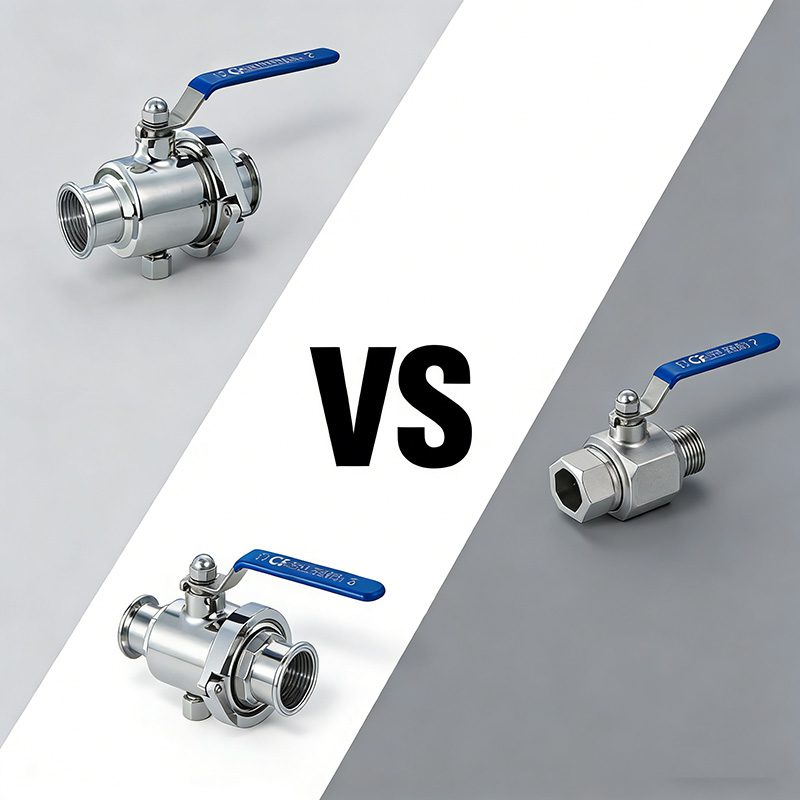
Floating ball valves are common and economical. Trunnion-mounted ball valves reduce torque and seat wear, making them ideal for high-pressure or large-diameter applications.
Seat design also matters. Soft seats seal better but wear faster. Metal seats last longer under extreme conditions but may cost more and require precise alignment.
When discussing how long ball valves last with suppliers, insist on cutaway drawings or technical datasheets. Transparency is a good sign.

As a procurement professional, you don’t just buy valves—you buy compliance.
Here’s a truth that doesn’t get enough attention: most ball valves fail early due to neglect, not design flaws.
Periodic operation, seal inspection, and simple cleaning can extend service life dramatically. Even automated valves benefit from manual cycling during scheduled shutdowns.
One food-processing buyer I worked with implemented a basic valve exercise program. Failure rates dropped noticeably within two years—without changing suppliers.
Maintenance doesn’t need to be complex. It just needs to exist.
You don’t always need to wait for catastrophic failure.
Warning signs include increased torque, leakage at the stem, or inconsistent sealing. From a purchasing standpoint, proactive replacement often costs less than emergency shutdowns.
If a valve has reached 70–80% of its expected ball valve lifespan, planning replacement during scheduled maintenance is simply good business.
Buying purely on price
Ignoring cycle ratings
Overlooking media compatibility
Skipping supplier audits
Assuming “standard” fits all applications
If you’ve seen even one of these go wrong, you already know the consequences.
So, how long do ball valves last? The honest answer is: as long as you allow them to. With the right material, design, installation, and maintenance, a quality ball valve can serve reliably for 15, 20, even 30 years. As a buyer, your role isn’t just to source parts—it’s to minimize lifecycle cost and operational risk. Look beyond price tags. Ask deeper questions. Work with suppliers who understand your application, not just your purchase order. If you’re reviewing suppliers or planning your next procurement cycle, now is the perfect time to reassess your valve strategy and request detailed technical support before placing that next order.
Q: How long do ball valves last in industrial use?
A: In most industrial environments, well-selected ball valves last between 10 and 20 years, depending on cycles and conditions.
Q: Do stainless steel ball valves last longer than brass ones?
A: Yes. Stainless steel typically offers superior corrosion resistance and a longer service life, especially in harsh environments.
Q: Does frequent operation reduce ball valve lifespan?
A: Absolutely. High cycle frequency accelerates wear on seats and seals, shortening effective lifespan.
Q: Can maintenance really extend valve life?
A: Yes. Regular inspection and cycling can significantly delay wear-related failures.
Q: Is a higher-priced ball valve always better?
A: Not always—but in critical systems, higher upfront cost often translates into longer life and lower total ownership cost.
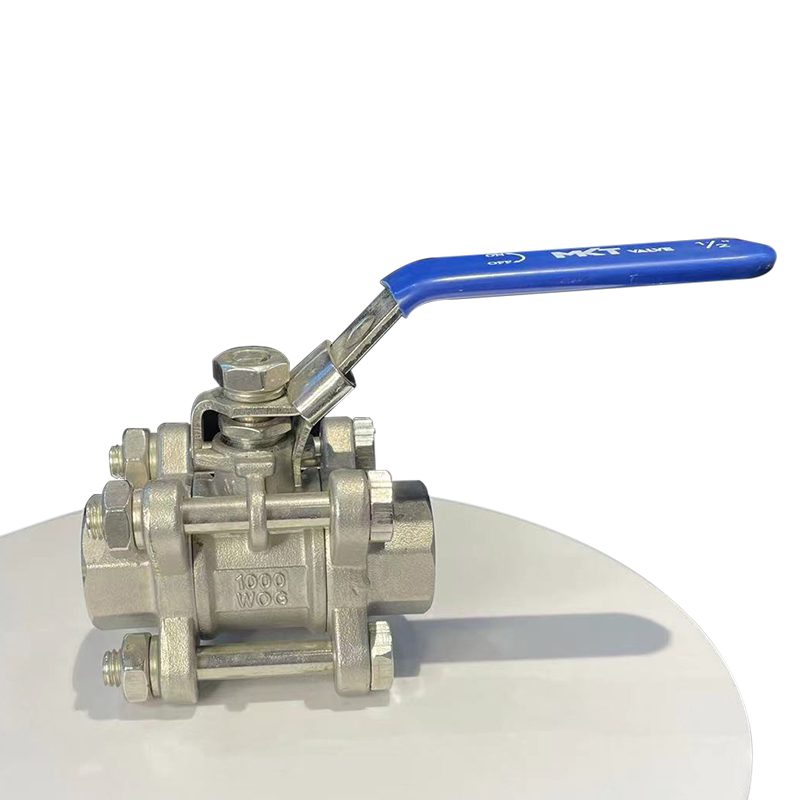
Stainless steel ball valves are expected to have a service life of 15–30 years in the chemical and food industries.Choose GENCEL STAINLESS for durable, high-performance stainless steel ball valves – contact us today for expert solutions and a quote.

STAINLESS STEEL&GENCEL;
Privacy Policy | SiteMap
Copyright GENCEL STAINLESS STEEL CO.,LIMITED
 Optimized by Seraphinite Accelerator