- Whatsapp: 8613738300923
- Email: [email protected]


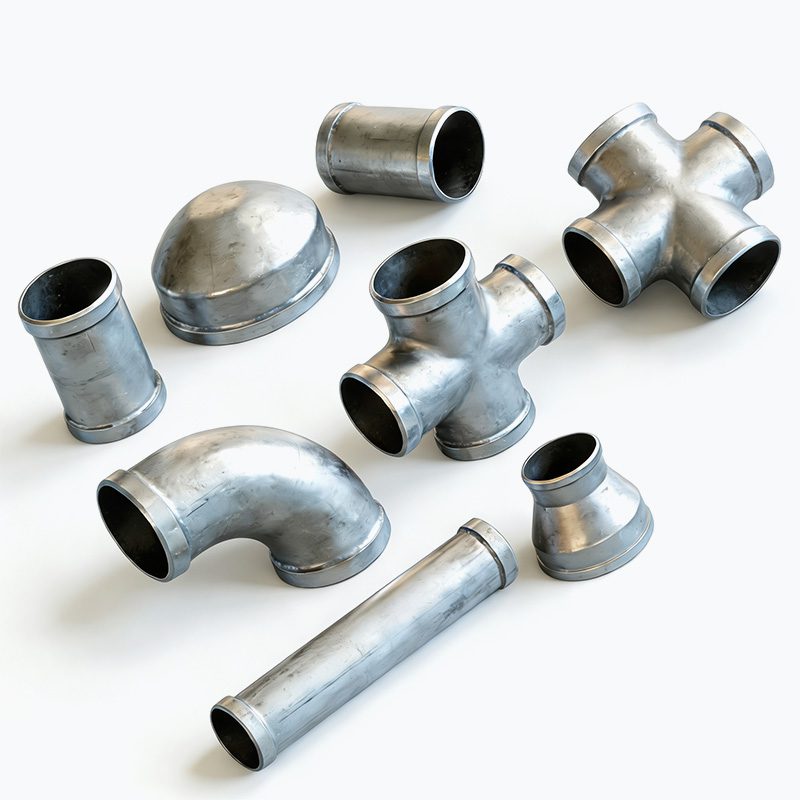
Sanitary pipe fittings play a crucial role in various industries, from food processing to pharmaceuticals, ensuring hygiene and the safe transport of fluids. Among the many types of sanitary pipe fittings, the sanitary pipe fitting and ball valve stand out due to their functionality and importance in maintaining system integrity. This article will explore the two primary types of sanitary pipe fittings, their uses, and why they’re essential for any piping system.
Types of Sanitary Pipe Fittings
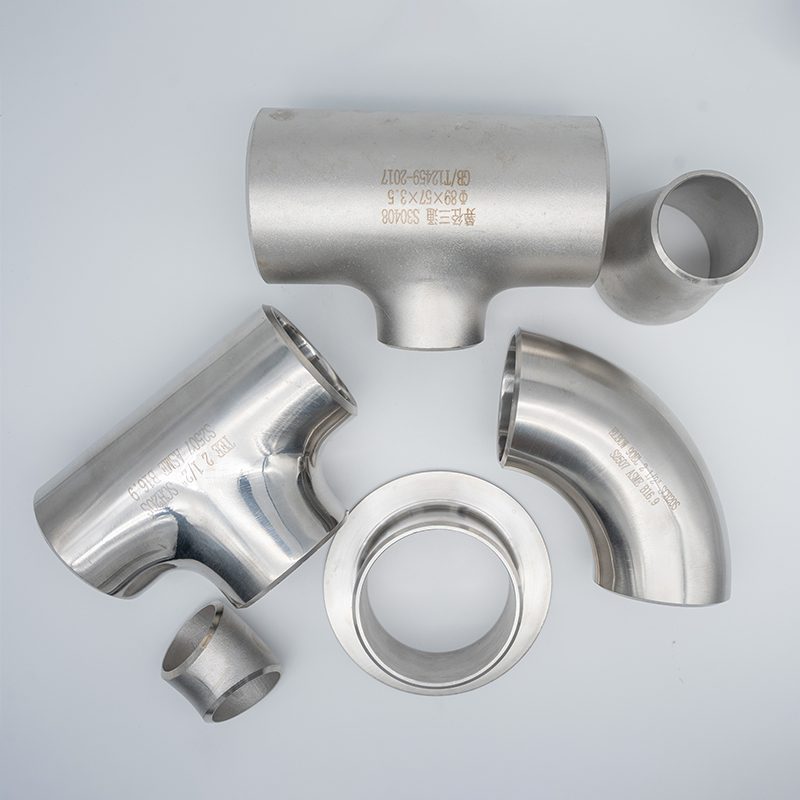
Welded sanitary pipe fittings are typically used in systems that require a secure, permanent connection. The weld process helps to create a smooth, seamless connection, reducing the risk of contamination and making it easier to clean the pipes.
Clamp fittings are more flexible and easier to install than welded fittings, making them ideal for systems where frequent disassembly or maintenance is required. These fittings are usually secured with a clamp, which can be tightened or loosened.
Choosing the Right Sanitary Fitting
When deciding between welded and clamp sanitary pipe fittings, consider factors like system pressure, the need for frequent maintenance, and installation requirements. Here are a few tips to help you choose the right fitting for your system:
Table: Comparison of Welded vs. Clamp Sanitary Fittings
| Feature | Welded Sanitary Fitting | Clamp Sanitary Fitting |
|---|---|---|
| Ease of Installation | Moderate | Easy |
| Maintenance | Low | High |
| Durability | High | Moderate |
| Cost | High | Moderate |
| Pressure Resistance | High | Moderate |
| Use Case | Permanent connections | Temporary connections |
Frequently Asked Questions (FAQ)
Q1: What is the difference between sanitary pipe fittings and regular pipe fittings?
A1: Sanitary pipe fittings are designed to maintain cleanliness and prevent contamination in industries like food processing and pharmaceuticals. They have smoother surfaces and higher standards for hygiene compared to regular pipe fittings.
Q2: Can I use a clamp fitting in high-pressure systems?
A2: While clamp fittings are versatile, welded fittings are generally preferred for high-pressure systems due to their ability to form a more secure, leak-free connection.
Q3: How do I maintain sanitary pipe fittings?
A3: Regular cleaning and inspection are key. For welded fittings, check for any signs of leaks, while clamp fittings should be inspected for proper tightening.

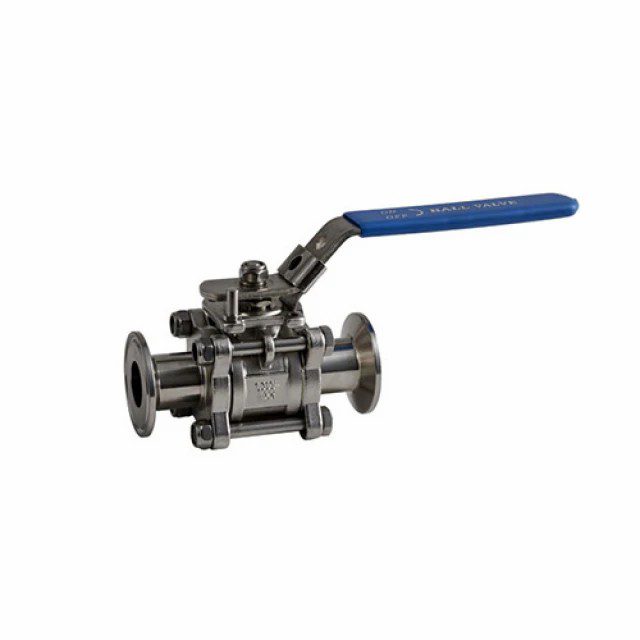
Q4: Are ball valves suitable for sanitary systems?
A4: Yes, ball valves are commonly used in sanitary systems to control the flow of fluids. They are easy to operate and provide reliable sealing.
Q5: What materials are commonly used in sanitary pipe fittings?
A5: Stainless steel is the most commonly used material in sanitary pipe fittings due to its resistance to corrosion and ease of cleaning.
Q6: How do I choose the right ball valve for my system?
A6: When selecting a ball valve, consider factors like the fluid being transported, system pressure, and the need for frequent maintenance.
Q7: Can sanitary pipe fittings be reused?
A7: Clamp fittings can often be reused, while welded fittings are permanent once installed.
Q8: What is the purpose of fluorine-lined fittings?
A8: Fluorine-lined fittings are used to transport corrosive fluids safely. The lining helps protect the fittings from chemical damage.
Q9: Can I use sanitary fittings for outdoor applications?
A9: While sanitary fittings are primarily used indoors, some types, like fluorine-lined fittings, can be used in outdoor environments, depending on the application.
Q10: How do I ensure my sanitary pipe fittings are of high quality?
A10: Choose fittings made from high-quality materials, like stainless steel, and ensure they meet industry standards for hygiene and durability.
Conclusion
Choosing the right sanitary pipe fitting is essential to maintaining a safe, efficient, and hygienic piping system. Whether you opt for welded fittings for their durability or clamp fittings for their flexibility and ease of maintenance, it’s important to ensure that your system is designed for optimal performance. Contact GENCEL STAINLESS STEEL for more information or to request a quote. With our high-quality sanitary pipe fittings, we can help you meet your system’s needs and ensure long-lasting, reliable performance.

STAINLESS STEEL&GENCEL;
Privacy Policy | SiteMap
Copyright GENCEL STAINLESS STEEL CO.,LIMITED
 Optimized by Seraphinite Accelerator