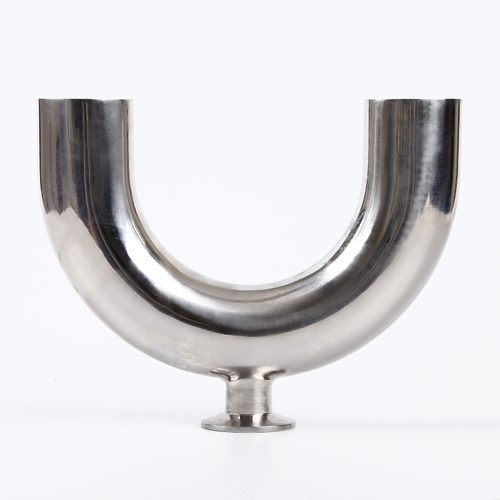
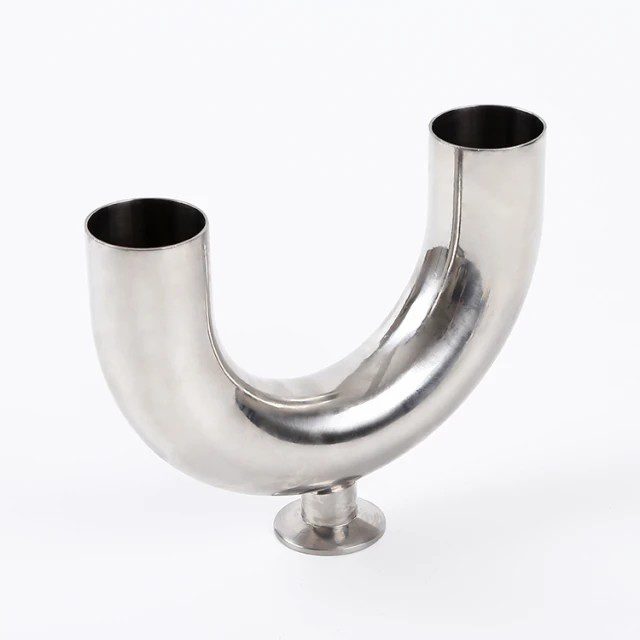
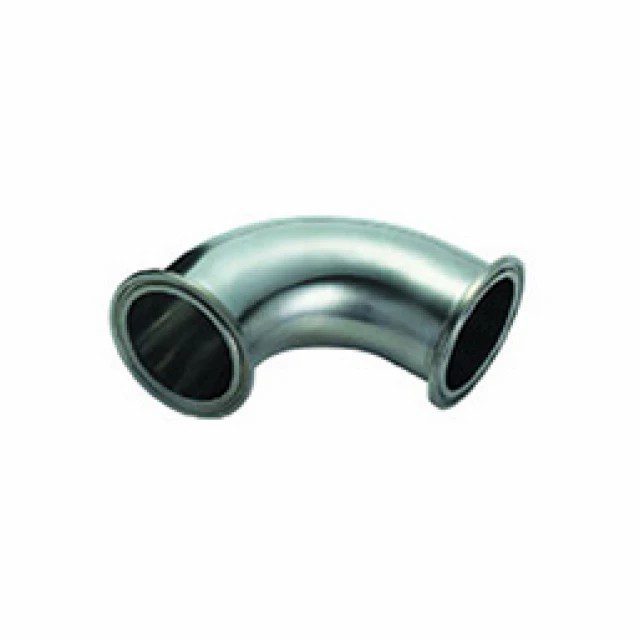
- Whatsapp: 8613738300923
- Email: [email protected]


In modern industrial piping systems, selecting the right fittings is essential for ensuring safety, reliability, and long-term performance. Pipe fittings are responsible for connecting, redirecting, and controlling fluid flow, making their material quality a critical factor in system efficiency.
Among various stainless steel options, SS 304 fittings are one of the most widely used solutions across industries due to their excellent corrosion resistance, durability, hygiene properties, and cost-effectiveness. From food processing plants and chemical facilities to water treatment systems and manufacturing applications, SS 304 fittings provide reliable performance in demanding environments.
As industries continue to focus on reducing maintenance costs and improving operational efficiency, stainless steel 304 fittings have become a preferred choice for engineers and procurement professionals.
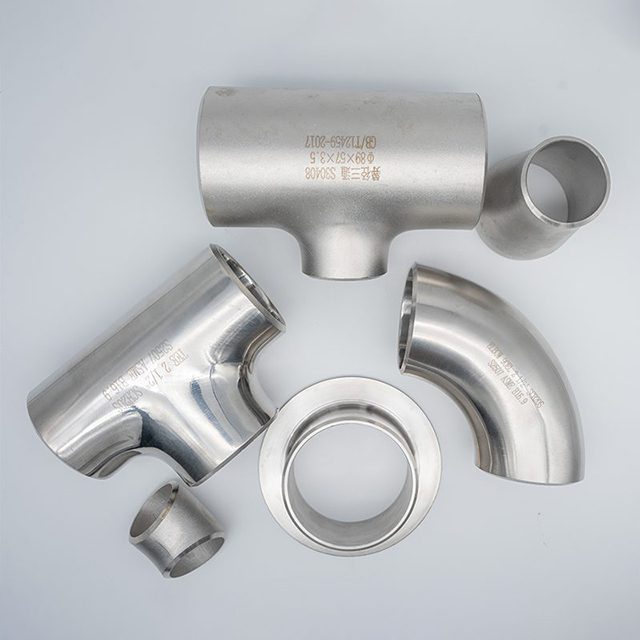
SS 304 fittings are pipe connection components manufactured from 304 stainless steel, an austenitic stainless steel grade containing chromium and nickel as its main alloy elements.
These fittings are designed to connect different sections of piping systems and are available in various configurations, including:
SS 304 elbows
SS 304 tees
SS 304 couplings
SS 304 adapters
SS 304 unions
SS 304 reducers
SS 304 nipples
They are commonly used in systems that transport water, chemicals, gases, food products, and other industrial fluids.
The popularity of SS 304 fittings comes from their balanced combination of corrosion resistance, mechanical strength, fabrication flexibility, and affordability.
One of the biggest advantages of SS 304 fittings is their strong resistance to corrosion.
The chromium content in stainless steel forms a passive oxide layer on the surface, protecting the material from rust and oxidation. This makes SS 304 fittings suitable for environments exposed to:
Moisture
Water
Chemicals
Industrial fluids
Atmospheric conditions
Compared with carbon steel fittings, SS 304 fittings require less maintenance and provide longer service life in corrosive environments.
Industrial piping systems often operate under demanding conditions, including pressure fluctuations, temperature changes, and continuous operation.
SS 304 fittings offer:
High mechanical strength
Excellent wear resistance
Good impact resistance
Stable performance over time
Their durability reduces the frequency of replacement and helps companies lower long-term maintenance expenses.
Many industrial applications involve elevated or fluctuating temperatures. SS 304 fittings maintain reliable performance across a wide temperature range.
They are commonly used in applications involving:
Hot water systems
Steam-related equipment
Food processing systems
Industrial heating processes
Their ability to maintain structural integrity under temperature changes makes them a dependable choice for industrial piping.
For industries where cleanliness is critical, SS 304 fittings provide significant advantages.
The smooth stainless steel surface:
Reduces bacterial buildup
Prevents contamination
Allows easy cleaning
Supports sanitary processing requirements
Because of these properties, SS 304 fittings are widely used in:
Food and beverage processing
Pharmaceutical manufacturing
Dairy systems
Chemical production
Industrial piping systems must withstand internal pressure and external stress. SS 304 fittings provide excellent mechanical properties, including:
High tensile strength
Good toughness
Resistance to deformation
This ensures stable connections and reduces the risk of leakage or system failure.
SS 304 is known for its excellent fabrication characteristics.
Manufacturers can easily:
Weld
Machine
Form
Customize
SS 304 fittings according to specific project requirements.
This flexibility allows engineers to design piping systems for different layouts, pressure requirements, and installation conditions.
Although SS 304 fittings may have a higher initial cost compared with some traditional materials, they often provide better long-term value.
Their advantages include:
Lower maintenance requirements
Longer service life
Reduced replacement frequency
Improved system reliability
When considering total lifecycle costs, SS 304 fittings are often a more economical choice for industrial applications.
The versatility of SS 304 fittings makes them suitable for numerous industries.
Common applications include:
Used in processing equipment, pipelines, and sanitary systems due to excellent hygiene performance.
Provides reliable connections in systems handling various industrial fluids.
Used in filtration systems, water distribution networks, and purification equipment.
Supports clean and sanitary piping requirements.
Used in selected applications requiring corrosion-resistant piping components.
Provides durable connections for industrial process systems.
| Feature | SS 304 Fittings | Carbon Steel Fittings | Plastic Fittings |
| Corrosion Resistance | Excellent | Limited | Good |
| Strength | High | High | Moderate |
| Temperature Resistance | Excellent | Good | Limited |
| Maintenance Requirement | Low | High | Moderate |
| Hygiene Performance | Excellent | Limited | Moderate |
| Service Life | Long | Medium | Medium |
Compared with other materials, SS 304 fittings provide a balanced combination of performance, reliability, and cost efficiency.
Before selecting SS 304 fittings for an industrial piping system, consider the following factors:
Evaluate exposure to:
Chemicals
Moisture
Temperature changes
Pressure conditions
Select the correct:
Diameter
Thread type
Connection method
Pressure rating
Ensure fittings are manufactured according to recognized standards and undergo proper quality inspection.
Choose a manufacturer with:
Manufacturing experience
Quality certifications
Testing capabilities
Technical support
A reliable supplier helps ensure consistent product performance.
Although SS 304 fittings require minimal maintenance, proper care can further extend their service life.
Recommended practices include:
Regular inspection for corrosion or damage
Cleaning surfaces to remove contaminants
Checking connections for leakage
Avoiding contact with incompatible chemicals
Following recommended installation procedures
Proper maintenance helps maintain system safety and reliability.
Are SS 304 fittings suitable for industrial piping systems?
Yes. SS 304 fittings are widely used in industrial piping systems because of their corrosion resistance, durability, and excellent mechanical performance.
What industries use SS 304 fittings?
They are commonly used in food processing, chemical, pharmaceutical, water treatment, manufacturing, and industrial fluid systems.
Are SS 304 fittings corrosion-resistant?
Yes. Their chromium content creates a protective passive layer that helps resist rust and corrosion.
What is the difference between SS 304 and SS 316 fittings?
SS 316 fittings contain molybdenum, which provides better resistance to chloride and marine environments. SS 304 is a more cost-effective option for general industrial applications.
How long do SS 304 fittings last?
With proper installation and maintenance, SS 304 fittings can provide many years of reliable service.
Are SS 304 fittings suitable for high-temperature applications?
Yes. They maintain good mechanical performance under many high-temperature industrial conditions.
SS 304 fittings are one of the most reliable choices for industrial piping systems due to their excellent corrosion resistance, durability, hygiene performance, and long-term cost advantages.
Whether used in food processing, chemical systems, water treatment, pharmaceuticals, or manufacturing facilities, SS 304 fittings provide stable connections and dependable performance in demanding environments.
By selecting high-quality SS 304 fittings from a trusted manufacturer and following proper installation and maintenance practices, businesses can improve piping system reliability, reduce operating costs, and achieve long-term operational efficiency.

STAINLESS STEEL&GENCEL;
Privacy Policy | SiteMap
Copyright GENCEL STAINLESS STEEL CO.,LIMITED
 Optimized by Seraphinite Accelerator