- Whatsapp: 8613738300923
- Email: [email protected]


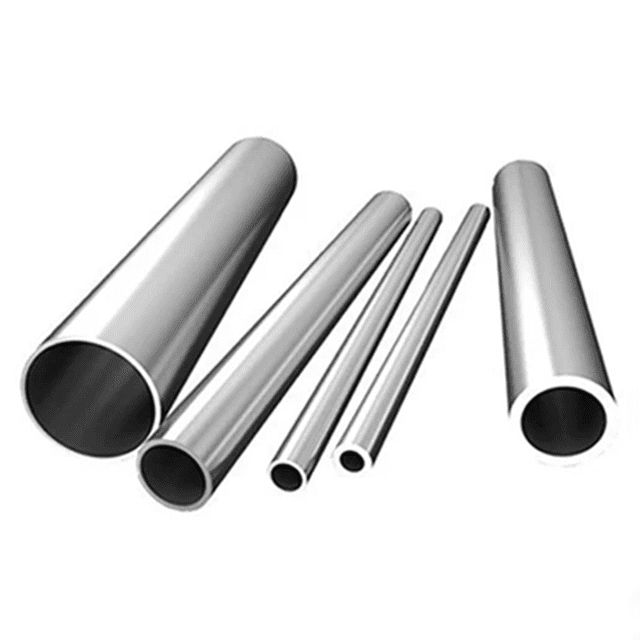
This article presented by manufacturer of sanitary pipe fittings, discusses solutions for the procurement, installation, and maintenance of stainless steel tubes and fittings and accessories, providing you with additional information for your selection.
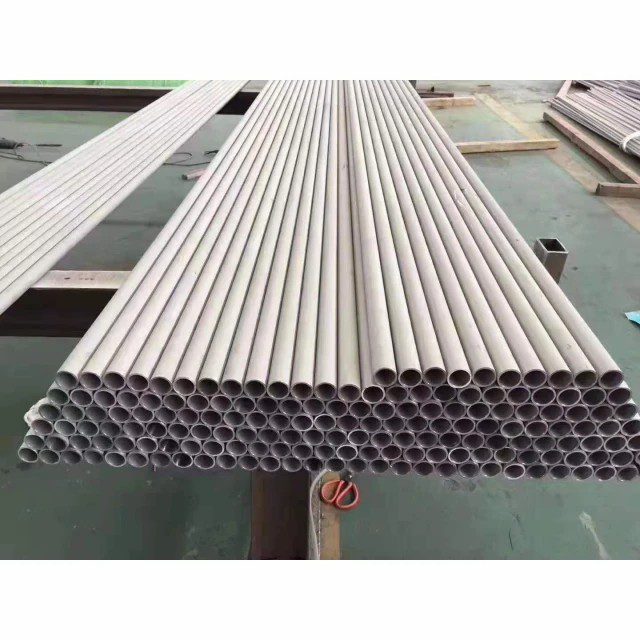
Clearly defining requirements and selecting suitable suppliers before placing purchase orders are the cornerstones of ensuring project success.
Material Grade: Select according to the medium and environment. Common grades include 304 (general purpose), 304L (ultra-low carbon, resistant to intergranular corrosion), 316 (containing molybdenum, stronger resistance to acid and alkali corrosion), and 316L. 316L is usually the first choice for sanitary applications.
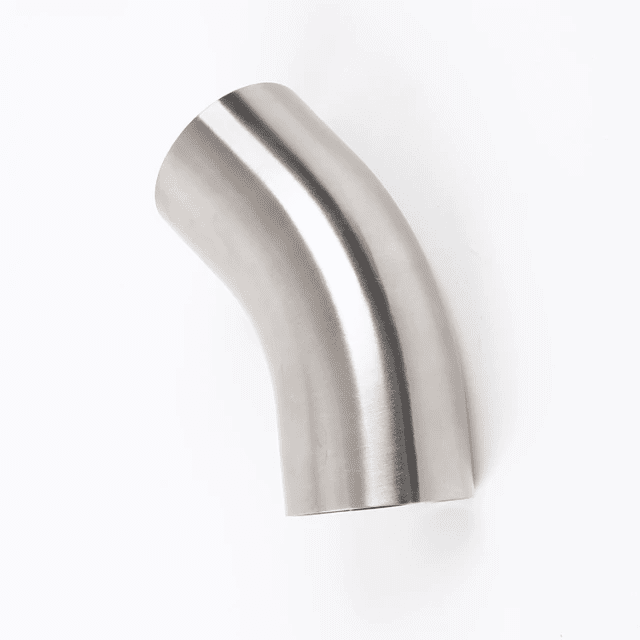
Specifications and Dimensions: Accurately determine the pipe’s outer diameter, wall thickness (e.g., SCH 5S, 10S, 40S), and length. The type of fittings (elbows, tees, joints, etc.) and connection method (press-fit, welded, threaded) must also be specified.
Standards and Certifications: Confirm that the product complies with relevant national/industry standards (e.g., GB/T, ASTM, DIN, JIS). For sanitary applications, food-grade or USP Class VI sanitary certifications are also required.
Surface Treatment: Select appropriate surface treatments based on aesthetic and hygiene requirements, such as brushing or polishing (e.g., 180G, 240G, 320G mirror polishing).
Qualifications and Experience: Examine the supplier’s industry qualifications, production capacity, and past project cases, especially their successful experience in sanitary or high-voltage applications.
Quality Assurance: Request material certificates and third-party testing reports, and understand their quality control processes.
Service and Support: Assess their ability to provide technical consultation, after-sales support, and timely logistics services.
Proper installation of stainless steel tubes and fittings is crucial for ensuring the sealing and safety of piping systems.
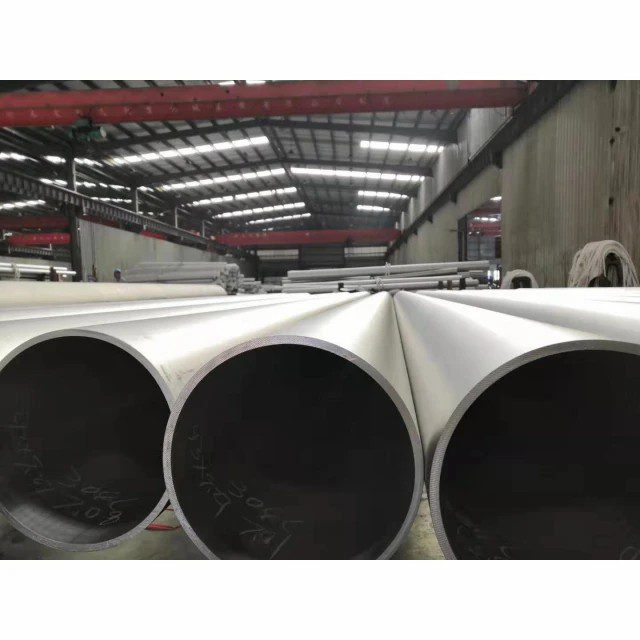
On-site inspection: Confirm that pipes and fittings are free of scratches, dents, rust, and other defects.
Clean pipes: Use a specialized cloth and cleaning agents such as alcohol to thoroughly remove oil and impurities from the inside and outside of the pipes. This step is crucial for sanitary applications.
Marking and measurement: Perform precise measurements and markings according to the design drawings to ensure accurate installation dimensions.
Cutting: Use a specialized pipe cutter to cut vertically and remove burrs.
Marking: Mark the insertion depth of the fitting on the end of the pipe.
Insertion: Fully insert the pipe into the crimp fitting, ensuring the end is aligned with the marked line.
Crimping: Using a specialized crimping tool, align the jaws with the raised ring on the fitting and crimp evenly until the jaws close. After crimping, check that the crimping marks are even and in place.
Beveling and Cleaning: Prepare the beveling according to the wall thickness and thoroughly clean the welding area.
Argon Purging Protection: For critical pipelines, argon purging (backside protection) is required to prevent internal oxidation of the weld.
Welding: TIG (Tungsten Inert Gas) welding is used, operated by certified welders to ensure uniform and defect-free weld formation.
Post-Weld Treatment: The weld is pickled and passivated to restore its corrosion resistance.
Wrapping Seal: Evenly wrap PTFE tape or apply an appropriate amount of thread sealant clockwise around the male thread of the stainless steel threaded pipe fitting.
Manual Screwing: First, screw the fitting in by hand several turns to ensure alignment.
Tool Tightening: Use a suitable wrench to tighten, paying attention to the force applied to avoid over-tightening, which could strip the threads or crack the fitting. Generally, follow the principle of “tightening for a final 1/4 to 1/2 turn.”
After installation, a systematic test must be performed.
Pressure test: Pressurize the piping system with water or gas, typically to 1.5 times the design working pressure, and maintain the pressure for a certain period. Check all connections for leaks or pressure drops.
System flushing: Thoroughly flush the pipes with clean water until the effluent is clear and free of impurities.
Regular maintenance can effectively extend the lifespan of a system and prevent malfunctions.
Regularly inspect pipe surfaces for abnormal condensation, rust, or stains.
Inspect all connections (especially press-fit and threaded connections) for any visible signs of leakage.
Inspect supports and hangers for looseness or corrosion.
Routine cleaning: Wipe the outer wall of the pipe with clean water or a neutral detergent.
Deep cleaning: For sanitary pipes, CIP (in-situ cleaning) or manual disassembly and cleaning must be performed according to regulations to prevent biofilm formation.
Surface protection: Minor scratches on the surface can be treated with a special polishing agent.
When problems arise, quick and accurate troubleshooting is crucial.
Press-fit connection: Inadequate or uneven pressing; damaged or displaced O-ring; pipe not inserted to the marked line.
Welded connection: Porosity, slag inclusions, or incomplete penetration in the weld; lack of passivation treatment after welding.
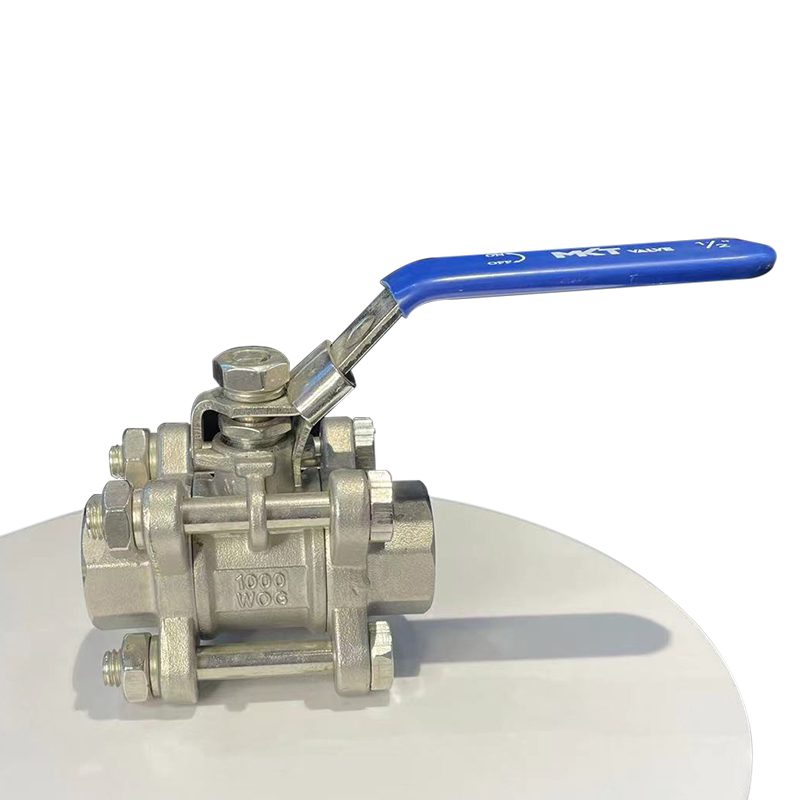
Threaded connection: Insufficient or improper sealing material wrapping; damaged threads; insufficient tightening force.
Check threads: Confirm that the internal and external threads are free from damage or impurities.
Check specifications: Confirm that the thread specifications (e.g., NPT, BSPT) of the connected fittings and pipes match.
Proper operation: Ensure that the PTFE tape is wrapped in the correct direction and that the pipe openings are not blocked. Use a torque wrench to ensure that all connection points are tightened to the same torque.
Segmented Isolation: Divide the system into segments and investigate step by step to locate the leak.
Check All Connection Points: Focus on checking the interfaces of valves, pumps, filters, and all pipe fittings.
Confirm Valve Status: Ensure that all valves within the test range are fully open and properly sealed.
Check Test Equipment: Confirm that the pressure gauges themselves and the test pump connections are leak-free.
With proper material selection, installation, and maintenance, 316/316L stainless steel piping systems can last for more than 50 years in most environments, far exceeding the lifespan of other metal pipes, offering excellent cost-effectiveness throughout their entire lifecycle.
Initial Costs: While the purchase price of stainless steel materials may be high, their high installation efficiency (such as press-fit connections) saves significant labor and time costs.
Operating and Maintenance Costs: Extremely low leakage risk and the elimination of frequent replacements and repairs greatly reduce long-term operational interruptions and maintenance expenses.
End-of-Life Value: Stainless steel has a high recycling value.
By ensuring accurate procurement in the early stages, standardized installation during the process, and scientific maintenance and rapid troubleshooting during use, you can maximize its performance advantages, ensure the safe, stable, and efficient operation of the pipeline system throughout its entire life cycle, and ultimately achieve a long-term return on investment.

STAINLESS STEEL&GENCEL;
Privacy Policy | SiteMap
Copyright GENCEL STAINLESS STEEL CO.,LIMITED
 Optimized by Seraphinite Accelerator