- Whatsapp: 8613738300923
- Email: [email protected]


When choosing stainless steel for sanitary pipe fittings, SS 304 and SS 316 are the most common materials. Both offer excellent corrosion resistance, but which one should you choose for your application? This article will help you understand the key differences between SS 304 and SS 316, allowing you to make an informed decision for your business needs.
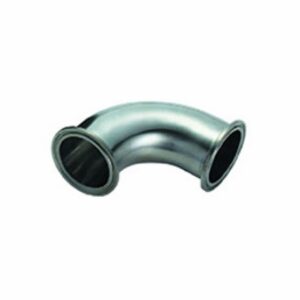
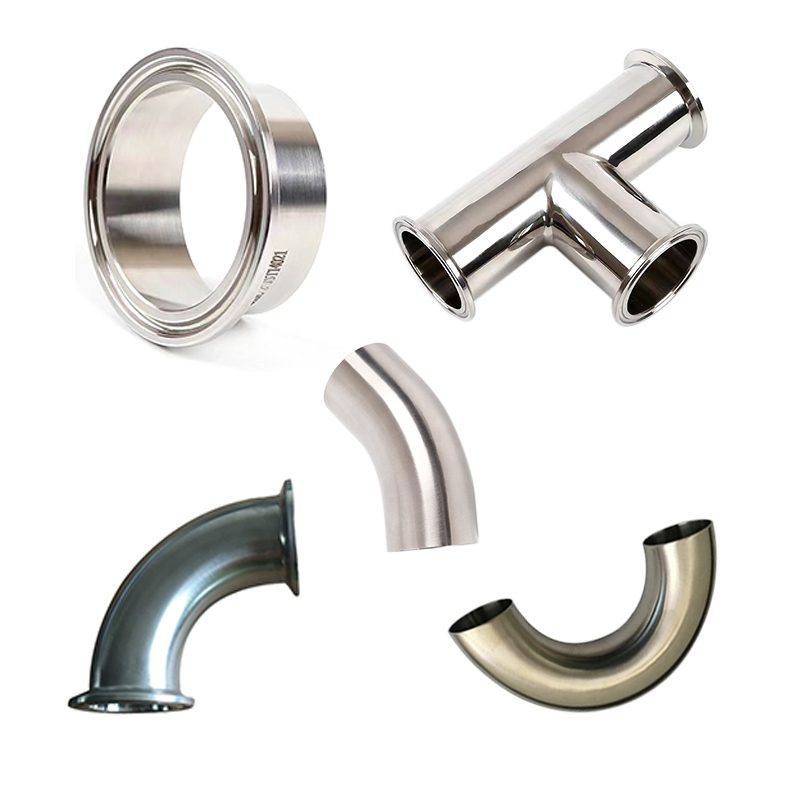
Sanitary pipe fittings are designed for use in industries where hygiene is critical, such as food processing, pharmaceuticals, and beverages. These fittings are crafted from high-quality stainless steel to ensure they maintain the purity of the substances flowing through the system. Sanitary pipe fittings include a variety of items, such as elbows, tees, reducers, and more, which are all essential for maintaining a smooth and hygienic pipeline system.
| Property | SS 304 | SS 316 |
|---|---|---|
| Corrosion Resistance | Good resistance to most corrosive environments | Superior resistance to harsh chemicals, especially chlorides |
| Cost | More affordable | More expensive due to the addition of molybdenum |
| Durability | Suitable for low to medium-risk environments | Better suited for high-risk, high-corrosion environments |
| Temperature Resistance | Can withstand temperatures up to 870°C | Can withstand higher temperatures up to 925°C |
| Applications | Food & beverage, dairy, cosmetics | Pharmaceuticals, marine, chemical processing |
| Chemical Resistance | Resistant to oxidation, but not aggressive acids | Excellent resistance to acids and chloride-rich environments |
SS 304 is one of the most commonly used stainless steels in the manufacturing of sanitary pipe fittings. Its popularity comes from its good balance of strength, corrosion resistance, and ease of fabrication. It is widely used in the food, beverage, and dairy industries, as it is cost-effective and can withstand most environments that don’t expose it to extreme conditions.
Key Benefits of SS 304:
However, SS 304 does not fare well in environments with high chloride exposure, making it less ideal for industries like pharmaceuticals or marine applications.
For environments that demand higher performance, SS 316 is the better choice. This material contains molybdenum, which significantly enhances its corrosion resistance, especially against chlorides, acids, and salts. It is the go-to option for industries like pharmaceuticals, marine engineering, and chemical processing where exposure to harsh chemicals and salts is frequent.
Key Benefits of SS 316:
While SS 316 is more expensive than SS 304, its durability and long-term performance justify the extra cost for businesses that need a material that can handle the toughest conditions.
Cost is a significant factor when selecting materials for any application. SS 304 is more cost-effective than SS 316 due to the difference in composition. SS 304’s lower cost makes it ideal for businesses working with moderate demands or those who don’t need the superior corrosion resistance offered by SS 316.
While SS 316 is more expensive, the added cost is justified if your operation involves exposure to harsh chemicals, high levels of salt, or extreme temperatures.
When selecting the right material for your sanitary fittings, it’s essential to understand the applications of each type of stainless steel. Here’s a quick guide:
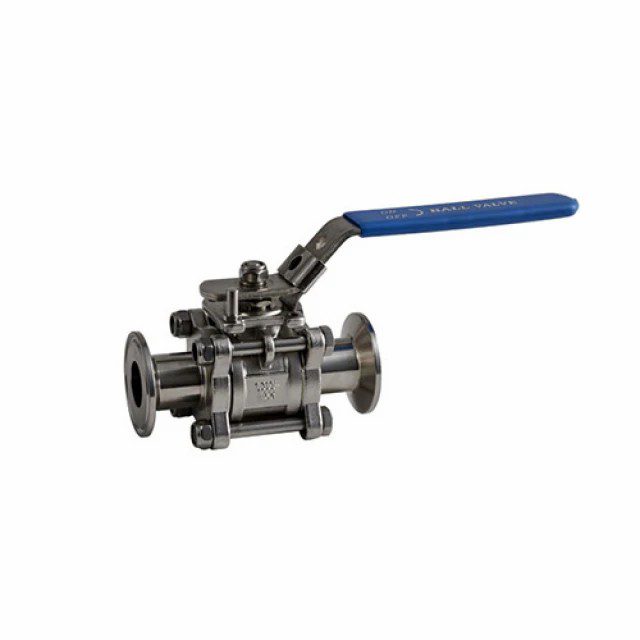
Both types are used in manufacturing essential sanitary pipe fittings, including ball valves, butt welded pipe fittings, and flanges.

The maintenance of sanitary pipe fittings plays a crucial role in their longevity and functionality. Both SS 304 and SS 316 require periodic cleaning and maintenance to prevent the buildup of contaminants. However, SS 316 typically requires less maintenance in corrosive environments due to its enhanced resistance.
Durability Considerations:
If your business operates in a relatively mild environment, SS 304 may be the perfect choice for your sanitary fittings, offering a balance of performance and cost-efficiency. On the other hand, if your business is exposed to harsh chemicals, extreme temperatures, or high chloride levels, investing in SS 316 may be the better option for long-term success.
1. What are the main differences between SS 304 and SS 316?
2. Can I use SS 304 in marine environments?
3. Is SS 316 more expensive than SS 304?
4. Which one should I use for food processing?
5. What is the lifespan of SS 304 fittings?
6. Do SS 304 and SS 316 need regular maintenance?
7. Which material has better resistance to corrosion?
8. Can SS 304 withstand high temperatures?
9. Which material is more suitable for chemical processing?
10. What industries use SS 316?
In conclusion, choosing between SS 304 and SS 316 for your sanitary pipe fittings depends on your specific business needs. If you are working in a less demanding environment, SS 304 offers excellent value for money. However, for industries dealing with harsh chemicals, high temperatures, or marine environments, SS 316 is the superior choice, providing enhanced durability and corrosion resistance.
For more detailed information or to get a quote for your sanitary pipe fittings, feel free to contact GENCEL STAINLESS STEEL today! Let us help you choose the best material for your application and ensure long-term success in your industry.

STAINLESS STEEL&GENCEL;
Privacy Policy | SiteMap
Copyright GENCEL STAINLESS STEEL CO.,LIMITED
 Optimized by Seraphinite Accelerator