- Whatsapp: 8613738300923
- Email: [email protected]


In industrial piping systems, choosing the right fittings is essential for ensuring safe operation, efficient fluid transportation, and long-term reliability. Among various piping components, stainless steel butt weld fittings are widely used in industries such as chemical processing, food and beverage, pharmaceuticals, oil and gas, and power generation due to their excellent corrosion resistance, strength, and seamless connection performance.
However, selecting the right stainless steel butt weld fittings requires careful consideration of multiple factors, including material grade, manufacturing quality, size compatibility, application requirements, and supplier capabilities. Making the right choice can help reduce maintenance costs, prevent leakage risks, and improve the overall performance of piping systems.

The material grade is one of the most important factors when selecting butt weld fittings because it directly affects corrosion resistance, durability, and service life.
Common stainless steel grades include:
SS 304 is one of the most widely used stainless steel materials. It provides good corrosion resistance, excellent weldability, and reliable mechanical strength, making it suitable for general industrial applications, water systems, and food processing equipment.
SS 316 offers higher corrosion resistance compared with SS 304 due to the addition of molybdenum. It performs better in environments exposed to chemicals, saltwater, and aggressive media.
Typical applications include:
Chemical processing plants
Marine piping systems
Pharmaceutical equipment
High-purity applications
Choosing between SS 304 and SS 316 depends on the operating environment, fluid characteristics, and required corrosion resistance.
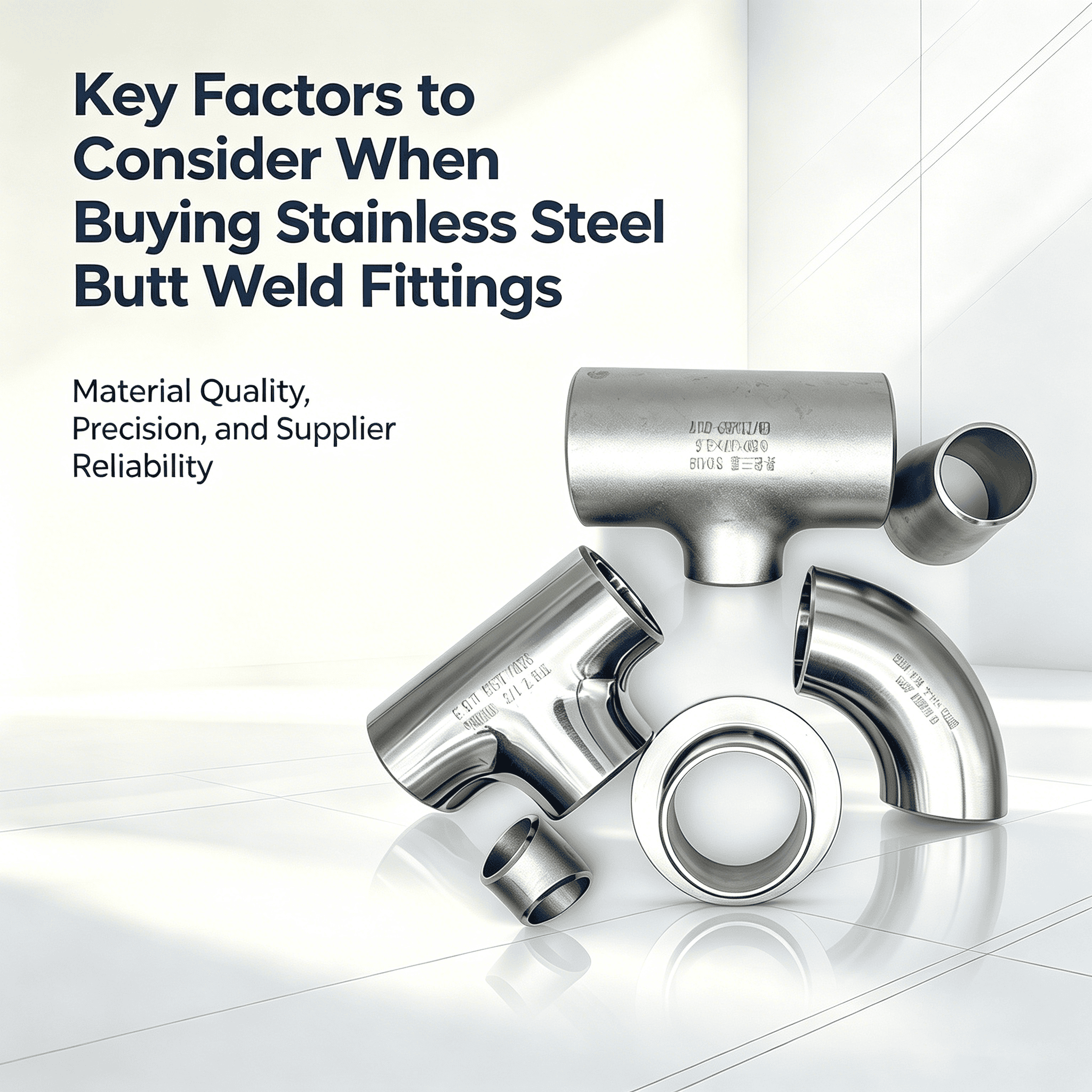
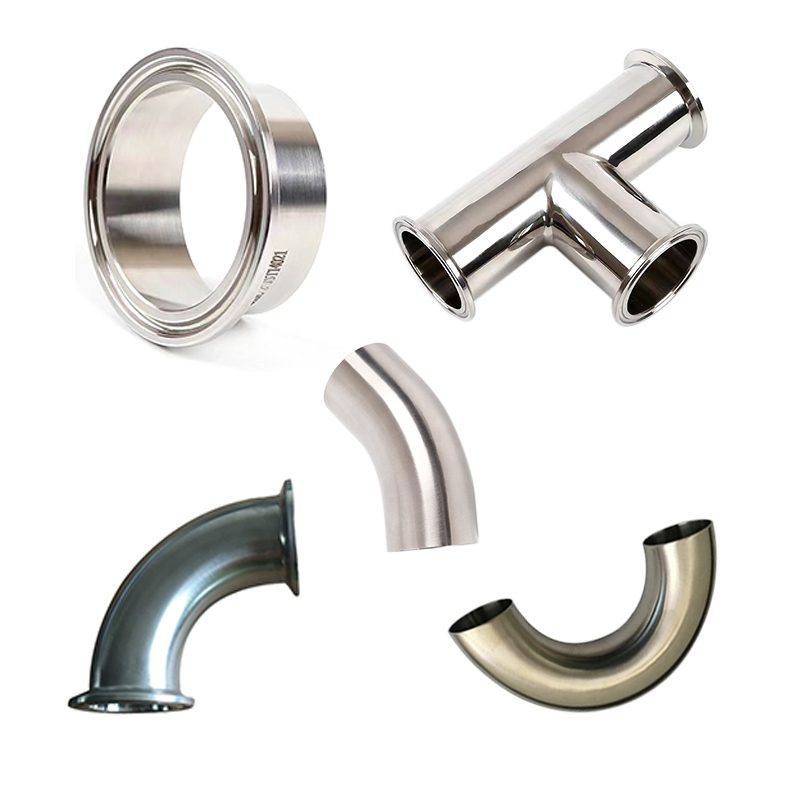
Stainless steel butt weld fittings are available in different shapes and designs to meet various piping requirements.
Common types include:
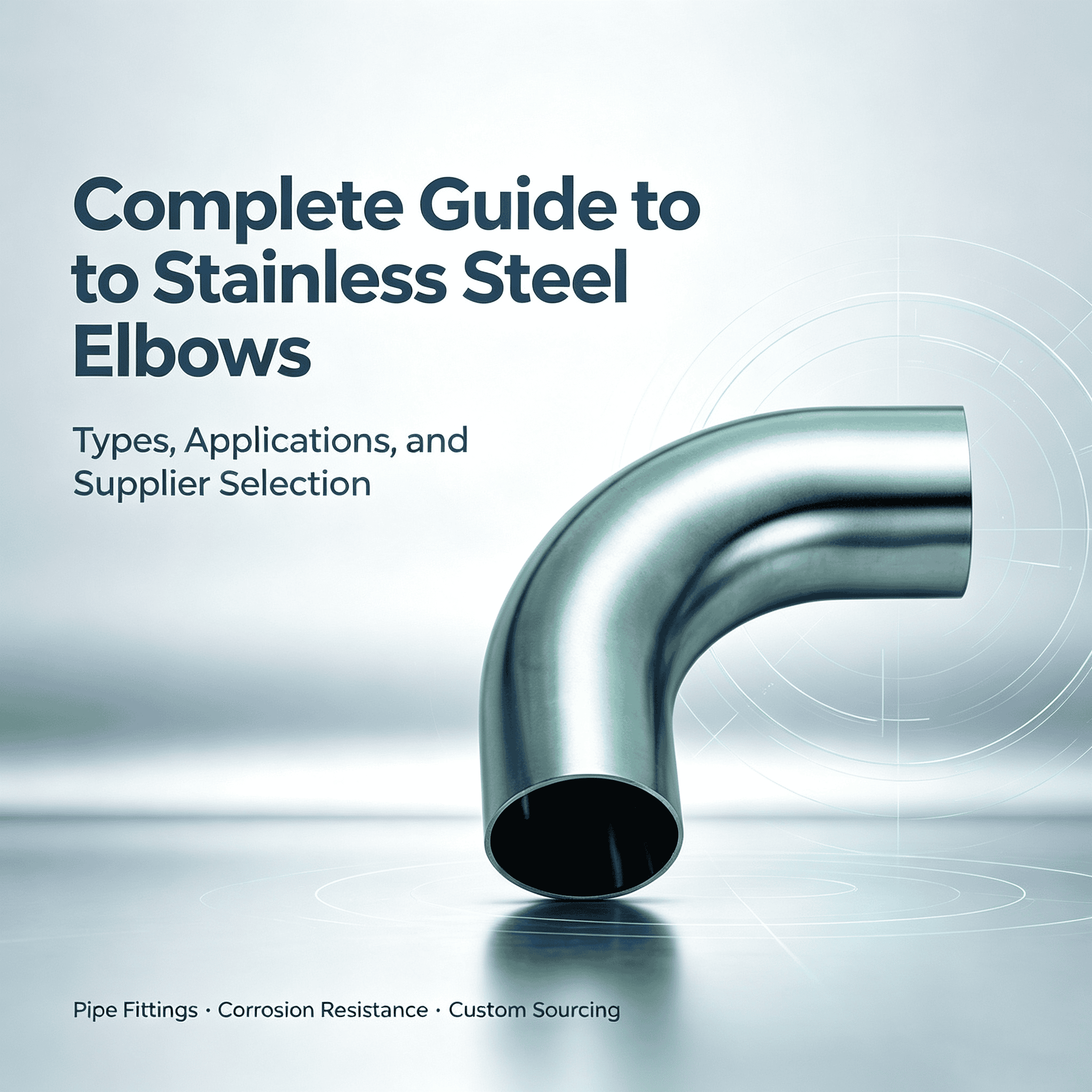
Stainless Steel Elbows
Elbows are used to change the direction of pipelines. Common options include 45-degree and 90-degree elbows.
Stainless Steel Tees
Tees allow pipeline branches and are commonly used in distribution systems.
Stainless Steel Reducers
Reducers connect pipes with different diameters while maintaining smooth flow transitions.
Stainless Steel Caps
Pipe caps are used to close the end of pipelines for protection or future expansion.
Before purchasing, it is important to identify the correct fitting type according to your piping layout, pressure requirements, and installation conditions.
Proper dimensional compatibility is critical for achieving a secure butt weld connection.
When selecting fittings, check:
Pipe diameter
Wall thickness
Schedule rating
End preparation
Connection dimensions
High-quality stainless steel butt weld fittings are usually manufactured according to international standards, such as:
ASME B16.9
ASTM A403
ANSI standards
DIN standards
Using standardized fittings ensures better compatibility with existing piping systems and simplifies installation.
The quality of manufacturing directly affects fitting performance and safety.
A reliable stainless steel butt weld fittings manufacturer should have strict quality control procedures covering:
Raw Material Inspection
High-quality manufacturers verify stainless steel composition and ensure materials meet required specifications.
Precision Forming
Advanced manufacturing processes help maintain accurate dimensions, smooth surfaces, and consistent wall thickness.
Welding Quality
Proper welding technology prevents defects such as cracks, weak joints, and deformation.
Surface Treatment
A smooth and clean surface improves corrosion resistance and supports applications requiring hygiene standards.
Choosing a supplier with strong manufacturing capabilities helps ensure stable product performance.
Different piping systems operate under different pressure and temperature conditions. Selecting fittings without considering these factors may lead to premature failure.
Before purchasing, evaluate:
Working pressure
Maximum operating temperature
Fluid characteristics
Environmental conditions
For high-pressure or high-temperature applications, fittings with stronger materials and stricter manufacturing standards may be required.
One of the main advantages of stainless steel butt weld fittings is their resistance to corrosion. However, different environments require different protection levels.
Consider the following factors:
Exposure to chemicals
Saltwater environments
High humidity
Acidic or alkaline fluids
Cleaning processes
For harsh environments, SS 316 fittings are often preferred because they provide better resistance against pitting and chloride corrosion.
A reliable supplier plays an important role in ensuring product quality and project success.
When evaluating suppliers, consider:
Manufacturing Experience
Experienced manufacturers usually have better knowledge of industry requirements and application challenges.
Quality Certifications
Look for suppliers with certifications such as:
ISO 9001 quality management system
Material test reports
Product inspection records
Customization Capability
Some projects require customized dimensions, special materials, or specific surface finishes. A supplier with strong engineering support can provide more flexible solutions.
Delivery Capability
Stable production capacity and efficient logistics help prevent project delays.
Price is an important consideration, but the lowest-cost option is not always the best choice.
Low-quality fittings may cause:
Leakage problems
Frequent replacement
Increased maintenance costs
Production downtime
High-quality stainless steel butt weld fittings may have a higher initial cost but provide better durability, safety, and long-term value.
A professional purchasing decision should balance:
Product quality
Service life
Performance requirements
Total ownership cost
Selecting the right stainless steel butt weld fittings requires careful evaluation of material grade, fitting type, dimensions, manufacturing quality, corrosion resistance, and supplier reliability. The correct fittings not only improve piping system performance but also enhance safety and reduce operational costs.
By working with an experienced stainless steel butt weld fittings manufacturer, businesses can obtain reliable products that meet industry standards and provide long-lasting performance in demanding applications.
Whether for chemical processing, food production, energy systems, or industrial pipelines, choosing high-quality stainless steel butt weld fittings is a critical step toward building efficient and durable piping solutions.
1. What are stainless steel butt weld fittings?
Stainless steel butt weld fittings are pipe components that are welded directly to pipes to create strong and permanent connections. They are commonly used for changing pipeline direction, connecting branches, reducing pipe sizes, or closing pipe ends. Due to their excellent strength, corrosion resistance, and leak prevention performance, they are widely used in industrial piping systems.
2. What materials are commonly used for stainless steel butt weld fittings?
The most common materials are stainless steel 304 and stainless steel 316. SS 304 provides good corrosion resistance, strength, and weldability, making it suitable for general industrial applications. SS 316 offers better resistance to chemicals and chloride environments, making it ideal for marine, pharmaceutical, and chemical processing applications.
3. How do I choose the right stainless steel butt weld fittings?
Choosing the right fittings requires considering several factors, including pipe size, material grade, pressure rating, operating temperature, and application environment. It is also important to select fittings that meet industry standards to ensure proper installation, safety, and long-term performance.
4. What types of stainless steel butt weld fittings are available?
Common types include elbows, tees, reducers, and caps. Stainless steel elbows are used to change pipeline direction, tees allow branch connections, reducers connect pipes with different diameters, and caps are used to close pipeline ends. Different fitting designs help meet various piping system requirements.
5. What standards should stainless steel butt weld fittings meet?
High-quality stainless steel butt weld fittings are usually manufactured according to international standards such as ASME B16.9 and ASTM A403. These standards help ensure accurate dimensions, reliable mechanical performance, and compatibility with industrial piping systems.
6. Are stainless steel butt weld fittings suitable for high-pressure applications?
Yes. Stainless steel butt weld fittings are commonly used in high-pressure and high-temperature piping systems. However, the selected fitting specifications, material grade, and wall thickness must match the operating conditions to ensure safe and reliable performance.

STAINLESS STEEL&GENCEL;
Privacy Policy | SiteMap
Copyright GENCEL STAINLESS STEEL CO.,LIMITED
 Optimized by Seraphinite Accelerator