- Whatsapp: 8613738300923
- Email: [email protected]


In hygienic processing, a leak is more than just lost product—it’s a contamination risk. Testing and troubleshooting leaks in sanitary pipe fitting systems is critical for maintaining product purity and operational efficiency. This guide provides a systematic approach to identifying, locating, and resolving leaks to ensure your system remains compliant and reliable.
Before diving into testing methods, it’s essential to understand the root causes of leaks. Unlike standard plumbing, sanitary systems rely on precision components and proper installation to maintain their bacteria-tight seals. Leaks typically do not just “happen”; they are symptoms of an underlying issue.
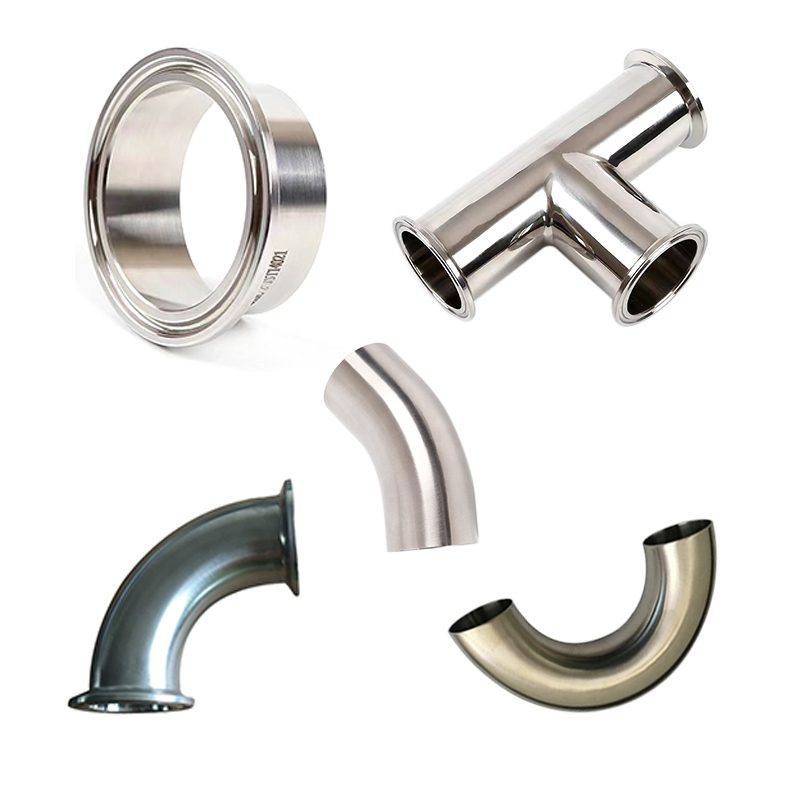
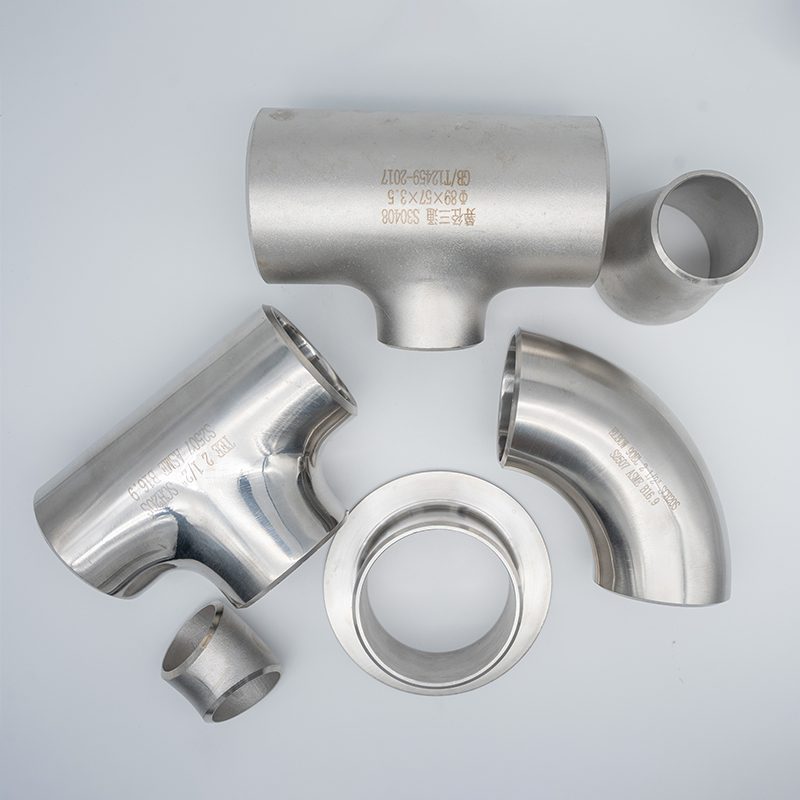
The most common culprits include gasket failure due to wear, chemical attack, or incorrect material selection. Mechanical issues like misaligned pipes or over-tightened clamps can also deform ferrules and gaskets, creating leak paths. Furthermore, poor weld quality on butt welded pipe fittings can lead to micro-cracks that only appear under thermal stress or pressure. Recognizing these causes helps in choosing the right troubleshooting strategy.

Selecting the right test method depends on the system’s pressure, the product being handled, and the stage of installation. Here is a comparison of the most effective techniques used in the industry to validate the integrity of a sanitary pipe fitting system.
| Testing Method | How It Works | Best Application |
|---|---|---|
| Hydrostatic Testing | System is filled with water and pressurized to above working pressure. | New installations; checking weld integrity and fitting strength. |
| Pneumatic Testing | System is filled with inert gas (like nitrogen) and monitored for pressure drop. | Systems where water cannot be tolerated (e.g., sterile processes). |
| Pressure Decay Test | System is pressurized, isolated, and a precision gauge monitors for pressure loss over time. | Validating system integrity quickly; detecting very small leaks. |
| Bubble Test (Soap Solution) | Pressurized system is sprayed with a soapy water solution; leaks appear as bubbles. | Pinpointing exact leak locations in accessible areas, especially at gaskets and clamp connections. |
When a leak is detected, a methodical approach prevents unnecessary disassembly and part replacement. First, isolate the section of the system if possible. If you are using a bubble test, start inspecting all tri-clamp connections, as these are the most frequent leak points. Look for uneven clamp gaps, which suggest misalignment.
If the leak is at a gasket, remove the clamp and inspect the gasket and ferrules. A flattened or hardened gasket needs replacement, but also check the ferrule faces for scratches or dents. For leaks suspected at welded joints, a dye penetrant test can reveal tiny cracks invisible to the naked eye. Remember, a leak in a hygienic system often indicates a contamination point, so even a “weeping” joint requires immediate attention.
The best troubleshooting is prevention. Establishing a routine maintenance schedule is key to avoiding unplanned downtime. This includes periodically re-torquing clamps, as they can loosen over multiple thermal cycles during Cleaning-in-Place (CIP). Always use gaskets made from appropriate materials like EPDM, Viton, or PTFE for your specific temperatures and chemicals.
Furthermore, investing in high-quality components from the start minimizes risks. Precision-machined ferrules and consistently toleranced fittings, like those from GENCEL Stainless Steel Manufacturer, ensure a perfect fit every time. When replacing parts, match the material and surface finish to the existing system to prevent galvanic corrosion or hard-to-clean rough spots.
Q1: How often should I test my sanitary pipe fitting system for leaks?
This depends on the criticality of your application. Many facilities perform a pressure decay test annually or semi-annually. However, visual inspections of high-use clamp connections should be part of a daily or weekly routine, especially after CIP cycles.
Q2: What is the most common place for a leak to develop?
The most common leak points are at the gaskets in tri-clamp connections. Over time, gaskets can compress, harden, or get pinched during reassembly, leading to a loss of seal integrity.
Q3: Can I use pipe thread sealant on sanitary fittings?
No. Standard pipe thread sealant is not sanitary and can contaminate your product. Sanitary systems rely on the compression of a gasket between two smooth ferrules for a seal. Threads are generally avoided in true hygienic design.
Q4: What should I do if I find a leak at a welded joint?
A leaking weld typically cannot be simply patched. The section of pipe may need to be cut out and re-welded by a qualified orbital welder, followed by re-polishing of the internal surface to restore sanitary conditions.
Q5: How can I ensure replacement fittings from GENCEL will fit my existing system?
Our sanitary pipe fittings are manufactured to strict international standards (such as 3A and DIN). They are designed for dimensional compatibility with other industry-standard components, ensuring a reliable, leak-free fit in your system.
Effectively testing and troubleshooting leaks in sanitary pipe fitting systems is vital for safety and efficiency. By understanding the common causes and using a combination of proven testing methods—from hydrostatic testing for new lines to bubble tests for pinpointing active leaks—you can maintain a sterile environment. Adopt a proactive maintenance mindset and rely on high-quality, precision components to minimize disruptions. For durable, leak-resistant fittings that stand up to rigorous testing, explore the range available at GENCEL Stainless Steel Manufacturer and build a system you can trust.

STAINLESS STEEL&GENCEL;
Privacy Policy | SiteMap
Copyright GENCEL STAINLESS STEEL CO.,LIMITED
 Optimized by Seraphinite Accelerator