- Whatsapp: 8613738300923
- Email: [email protected]


Choosing the right stainless steel ball valve factory is an important decision for industrial buyers, engineering companies, distributors, and piping system contractors. Stainless steel ball valves are widely used in chemical processing, oil and gas, water treatment, food and beverage, pharmaceuticals, marine applications, power generation, and general industrial piping.
Although many valve factories may offer similar products, their manufacturing capabilities, material quality, testing procedures, prices, delivery performance, and customer service can vary significantly. Selecting a supplier based only on the lowest quotation may create quality, delivery, and maintenance risks in the future.
A better approach is to compare stainless steel ball valve factories from three major perspectives: quality, price, and service. By evaluating these factors together, buyers can identify suppliers that offer reliable products and better long-term value.
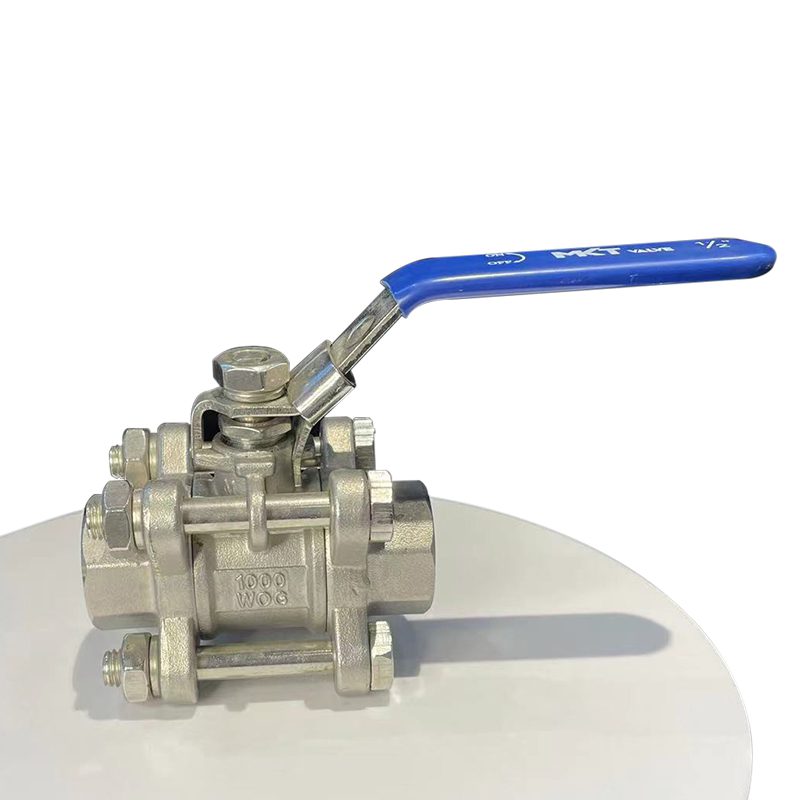
Quality should be the first factor when comparing stainless steel ball valve factories. A ball valve may appear simple, but its performance depends on material selection, machining accuracy, sealing components, assembly, pressure testing, and final inspection.
A professional factory should have a systematic quality control process covering raw materials, machining, assembly, testing, and shipment.
Buyers should ask how the factory controls product quality and whether it has documented inspection procedures. Important quality checkpoints may include material inspection, dimensional inspection, pressure testing, leakage testing, surface inspection, and functional testing.
A factory with consistent quality control is more likely to provide stable valve performance across different production batches.
Material selection directly affects the durability and corrosion resistance of a stainless steel ball valve.
Common materials include 304 stainless steel and 316 stainless steel, but other material grades may be available for specific applications. The correct material depends on the operating medium, temperature, pressure, corrosion conditions, and industry requirements.
When comparing factories, buyers should confirm the material grades they can supply and whether appropriate material documentation is available.
A reliable stainless steel ball valve factory should be able to provide clear information about valve body materials, ball materials, stem materials, seat materials, and other important components.
For demanding applications, material traceability can also be an important consideration.
Manufacturing capability is another important difference between valve factories.
Production may involve casting or forging, CNC machining, drilling, threading, grinding, polishing, assembly, pressure testing, and other processes. The accuracy of these processes can affect valve sealing performance, operating torque, service life, and overall reliability.
When comparing suppliers, buyers should consider whether the factory has modern production equipment, experienced technicians, quality inspection equipment, and standardized manufacturing procedures.
A factory with strong in-house manufacturing capabilities may have better control over product consistency and production schedules.
Ball valves are commonly used to control or isolate fluid flow, so reliable sealing performance is essential.
A professional stainless steel ball valve factory should conduct appropriate pressure and leakage tests before products are shipped. Depending on valve design and applicable standards, testing may include shell pressure testing, seat leakage testing, and functional testing.
Buyers should ask what testing procedures the factory follows and whether inspection records or test reports can be provided when required.
Consistent testing helps reduce the risk of leakage and valve failure after installation.
Different industries and markets may require stainless steel ball valves to comply with specific standards.
Depending on the application and destination market, buyers may encounter standards such as API, ASME, ISO, EN, DIN, or other applicable specifications.
When comparing factories, confirm whether the manufacturer has experience producing valves according to the standards required by your project.
Relevant quality management certifications and product documentation can also provide additional confidence, but buyers should evaluate whether the certifications are actually relevant to the products being purchased.
A factory with a broad product range may be more suitable for customers with different valve requirements.
Depending on the manufacturer, stainless steel ball valve products may differ in:
Valve size
Pressure rating
Connection type
Port design
Body construction
Seat material
Actuation method
Thread standard
Handle configuration
Some factories may also provide one-piece, two-piece, or three-piece ball valve designs.
A supplier capable of supporting multiple specifications can simplify procurement and reduce the need to work with several different valve suppliers.
Price is naturally an important factor when comparing stainless steel ball valve factories, but the lowest quotation does not necessarily represent the best deal.
A lower price may result from differences in raw materials, machining accuracy, sealing components, testing procedures, production standards, packaging, or quality control.
Instead of comparing only the unit price, buyers should compare the total value offered by each factory.
Consider factors such as:
Product quality
Material grade
Valve specifications
Testing standards
Expected service life
Packaging
Delivery reliability
Warranty
Technical support
Customization
After-sales service
A slightly higher initial price may provide better value if the valve has more reliable performance and lower maintenance or replacement costs.
When comparing multiple stainless steel ball valve factories, buyers should provide the same technical specifications to every supplier.
The inquiry should clearly state requirements such as valve size, material grade, pressure rating, connection type, working medium, operating temperature, quantity, applicable standards, and packaging requirements.
A detailed quotation makes supplier comparison more accurate and reduces the possibility of comparing products with different specifications.
Buyers should also check whether the quotation includes testing, packaging, documentation, and other additional costs.
Price and quality are not enough if a supplier cannot deliver products when required.
Production capacity is particularly important for distributors, contractors, and industrial customers with large or recurring orders.
When comparing a stainless steel ball valve factory, ask about production capacity, standard lead times, raw material availability, inventory levels, and the factory’s ability to handle urgent or large-volume orders.
A supplier with reliable production scheduling can help customers reduce inventory pressure and avoid project delays.
Some industrial applications require valves with special specifications that are not available as standard products.
Customization may involve valve dimensions, materials, connection types, pressure ratings, handles, seals, markings, packaging, or other product requirements.
A professional stainless steel ball valve factory should have sufficient engineering and manufacturing capabilities to review customer drawings and technical specifications.
Customization capability can be particularly valuable for OEM customers, engineering projects, and distributors that require products under their own specifications or branding.
Technical support is another factor that is often overlooked when comparing valve factories.
Customers may need assistance selecting valve materials, pressure ratings, connection types, seat materials, or suitable valve configurations for specific operating conditions.
A knowledgeable technical team can help buyers select the appropriate product and avoid purchasing valves that are unsuitable for the intended application.
During the supplier evaluation process, buyers should pay attention to whether the factory can provide clear and technically accurate answers to product questions.
Good communication can significantly improve long-term cooperation.
A supplier should respond to inquiries clearly and provide accurate information about product specifications, quotations, production schedules, inspection results, and shipping arrangements.
When comparing factories, consider response speed, communication accuracy, documentation quality, and willingness to solve problems.
A factory that provides professional service before, during, and after an order is generally more suitable for long-term cooperation.
Stainless steel ball valves must be properly protected during storage and transportation.
A professional factory should use suitable packaging to reduce the risk of scratches, impacts, moisture, contamination, and other transportation-related damage.
Buyers should compare packaging methods, product labeling, carton or pallet configuration, shipping marks, and loading procedures.
For export orders, proper packaging is particularly important because products may experience multiple stages of handling during international transportation.
After-sales service can make a significant difference when technical or quality issues occur.
Before selecting a stainless steel ball valve factory, buyers should understand its warranty policy, replacement procedures, technical support, and approach to handling quality claims.
A reliable manufacturer should have a clear process for investigating product problems and providing appropriate solutions.
Strong after-sales support can reduce the potential impact of unexpected valve issues and improve long-term customer satisfaction.
If stainless steel ball valves are purchased regularly, supplier stability should be part of the evaluation.
A suitable long-term supplier should have stable raw material sourcing, reliable production capacity, consistent quality control, experienced employees, and effective supply chain management.
Buyers should also consider whether the factory can maintain consistent product specifications and quality as order volumes increase.
Stable supply can help distributors and industrial customers maintain inventory levels and avoid repeatedly searching for replacement suppliers.
To make the evaluation process more objective, buyers can create a comparison checklist for each stainless steel ball valve factory.
The checklist can include:
Stainless steel grades
Valve sizes
Pressure ratings
Connection types
Manufacturing capabilities
Quality control procedures
Pressure and leakage testing
Applicable standards
Certifications
Production capacity
Lead time
Customization capabilities
Technical support
Packaging
Warranty
After-sales service
Unit price
Payment terms
Using the same criteria for every supplier makes it easier to identify the factory that offers the best overall combination of quality, price, and service.
Quality, price, and service are closely connected, but they should not necessarily be given equal weight.
For safety-critical or demanding industrial applications, quality and reliability should normally receive the highest priority. A low-cost valve that fails prematurely can create much higher costs through leakage, downtime, repairs, or replacement.
For high-volume purchasing, price becomes more important, but buyers should still ensure that lower prices do not come at the expense of material quality or testing.
Service is especially important for long-term cooperation because effective communication, technical support, delivery coordination, and after-sales assistance can significantly improve the overall purchasing experience.
The best supplier is usually not the cheapest factory or the most expensive factory. It is the manufacturer that provides the right balance of quality, competitive pricing, reliable delivery, and professional service.
Comparing stainless steel ball valve factories requires more than collecting quotations. Buyers should evaluate manufacturing capabilities, stainless steel materials, quality control, testing procedures, certifications, product consistency, production capacity, customization, delivery reliability, technical support, and after-sales service.
Price should be considered in relation to overall product value rather than as the only purchasing criterion. A factory that provides consistent quality, transparent communication, reliable delivery, and strong technical support can often offer greater long-term value than a supplier competing only on low prices.
By using a structured supplier evaluation process and comparing quality, price, and service together, industrial buyers can make more informed purchasing decisions and establish reliable relationships with professional stainless steel ball valve factories.
What should I compare when choosing a stainless steel ball valve factory?
Compare product quality, stainless steel materials, manufacturing capabilities, testing procedures, certifications, production capacity, pricing, lead times, customization, technical support, and after-sales service.
Is a lower-priced stainless steel ball valve always better?
No. A lower price may reflect differences in materials, manufacturing processes, testing, or quality control. Buyers should compare total product value rather than unit price alone.
What stainless steel materials are commonly used for ball valves?
304 and 316 stainless steel are commonly used. The appropriate material depends on factors such as the working medium, corrosion conditions, temperature, pressure, and application requirements.
How can I verify the quality of a stainless steel ball valve factory?
Ask about raw material control, manufacturing processes, pressure and leakage testing, inspection procedures, applicable standards, certifications, material traceability, and quality documentation.
Can stainless steel ball valve factories provide customized valves?
Many professional factories can provide customized products according to requirements such as size, material, connection type, pressure rating, seals, markings, and packaging.
Why is factory production capacity important?
Adequate production capacity helps manufacturers maintain consistent quality and reliable delivery when order quantities increase. It is especially important for distributors and customers with recurring demand.
How important is after-sales service when choosing a valve factory?
After-sales service is important for long-term cooperation. A reliable factory should provide clear warranty terms, technical assistance, quality issue handling, and replacement or corrective solutions when necessary.

STAINLESS STEEL&GENCEL;
Privacy Policy | SiteMap
Copyright GENCEL STAINLESS STEEL CO.,LIMITED
 Optimized by Seraphinite Accelerator