- Whatsapp: 8613738300923
- Email: [email protected]


Choosing the right SS Sanitary Pipe Fittings is essential for building a reliable, hygienic, and efficient piping system. Stainless steel sanitary fittings are widely used in industries where cleanliness, corrosion resistance, and contamination control are critical, including food and beverage processing, dairy production, pharmaceuticals, biotechnology, cosmetics, and other hygienic processing applications.
Although sanitary pipe fittings may look similar, different products can vary in material grade, dimensions, connection type, surface finish, pressure capability, and hygienic design. Selecting the wrong fitting can lead to installation problems, product contamination, leakage, difficult cleaning, or unnecessary maintenance costs.

The first step is to understand how and where the fittings will be used. Different industries and processes have different sanitary requirements.
For example:
Food and beverage: Cleanability and corrosion resistance are particularly important.
Dairy processing: Fittings need to withstand frequent cleaning and sanitization.
Pharmaceutical production: High hygiene standards and contamination control are essential.
Biotechnology: Piping systems may require precise hygienic design and reliable connections.
Cosmetics: Smooth internal surfaces can help prevent material buildup and simplify cleaning.
Before selecting fittings, consider the fluid being transported, operating temperature, pressure, cleaning process, and required hygiene level.
Material selection directly affects the durability and performance of sanitary fittings.
SS 304 is commonly used for general sanitary applications because it offers good corrosion resistance, durability, and cost efficiency. It is suitable for many food, beverage, water, and general hygienic processing systems.
SS 316 or SS 316L provides improved corrosion resistance, particularly in environments exposed to chlorides, chemicals, or more aggressive processing conditions. SS 316L is also widely considered for demanding pharmaceutical and hygienic applications.
When choosing the material, consider:
Corrosive media
Chloride exposure
Operating temperature
Cleaning chemicals
Product requirements
Expected service life
Selecting the correct stainless steel grade can help reduce premature corrosion and maintenance requirements.
SS Sanitary Pipe Fittings are available in different configurations to accommodate different piping layouts.
Common types include:
Sanitary elbows are used to change the direction of the pipeline. Common configurations include 45-degree and 90-degree elbows.
Tees are used when a pipeline needs to branch into another line. They are commonly found in process distribution systems.
Reducers connect pipes with different diameters. They can help transition between different sections of a piping system while maintaining an appropriate flow path.
Unions provide convenient connections between pipe sections and can simplify equipment installation, inspection, and maintenance.
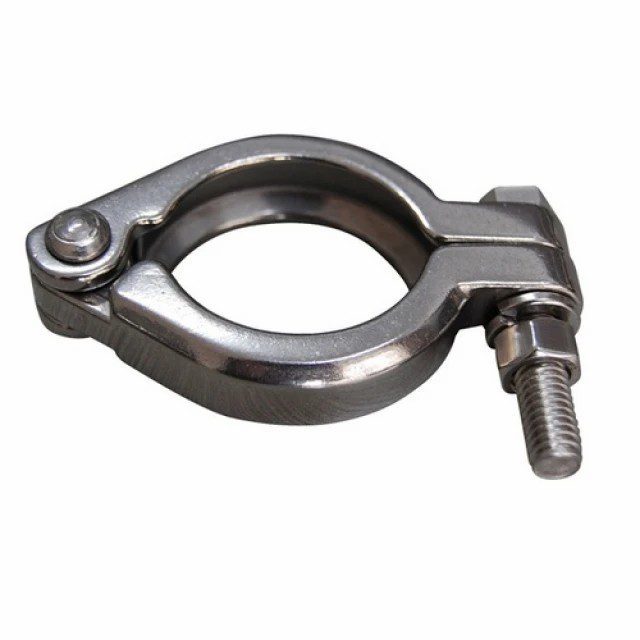
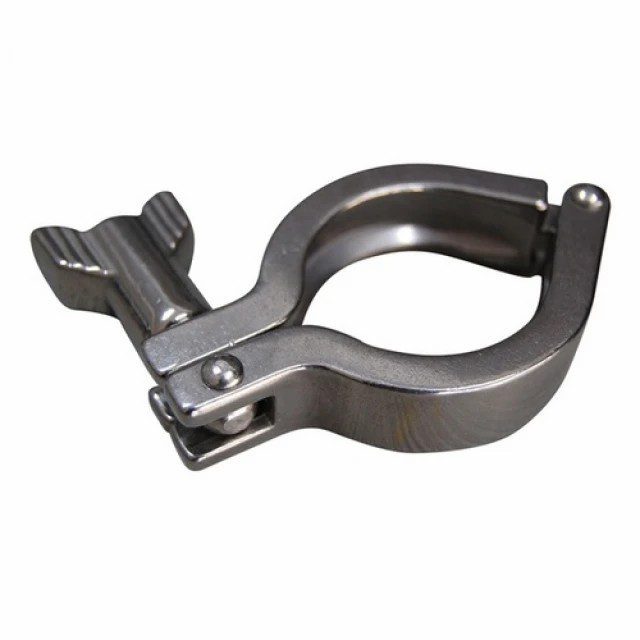
Tri-clamp or sanitary clamp connections are widely used where quick assembly and disassembly are required.
Choosing the correct fitting type depends on the piping layout, connection requirements, flow direction, and maintenance needs.
Correct sizing is critical for proper installation and fluid flow.
Before purchasing SS Sanitary Pipe Fittings, confirm:
Pipe outside diameter
Nominal pipe size
Fitting dimensions
Wall thickness
Connection dimensions
Compatibility with existing equipment
Even a high-quality fitting may cause installation problems if its dimensions do not match the piping system.
For systems with multiple components, it is especially important to maintain dimensional consistency between pipes, valves, pumps, tanks, and fittings.
The connection method affects installation efficiency, sealing performance, and maintenance.
Common sanitary connection methods include:
Clamp connections
Butt weld connections
Threaded connections
Union connections
Clamp connections are popular in hygienic applications because they can be assembled and disassembled relatively easily.
Welded connections can provide a permanent and secure connection and are commonly used in fixed process piping systems.
The best option depends on whether the system prioritizes easy maintenance, permanent installation, flexibility, or hygienic performance.
Surface finish is one of the most important considerations when choosing sanitary fittings.
A smooth internal surface can reduce areas where bacteria, product residue, or other contaminants could accumulate. It can also make cleaning and sanitization more effective.
When evaluating SS Sanitary Pipe Fittings, consider:
Internal surface roughness
External surface finish
Polishing quality
Weld quality
Surface uniformity
For demanding hygienic applications, fittings with appropriately polished internal surfaces may be preferred.
The fittings must be suitable for the actual operating conditions of the piping system.
Consider:
Normal operating pressure
Maximum operating pressure
Operating temperature
Temperature fluctuations
Cleaning and sterilization temperature
Some sanitary processing systems undergo repeated heating, cooling, cleaning, and sanitization cycles. The fittings must maintain reliable mechanical performance throughout these conditions.
Do not select fittings based solely on pipe size. Their pressure and temperature capabilities should also be compatible with the complete system.
Sanitary piping systems are often cleaned regularly using processes such as CIP (Clean-in-Place) or other cleaning and sanitization procedures.
A suitable fitting should minimize areas where product residue can accumulate. Poorly designed connections, rough surfaces, dead legs, or unsuitable internal geometries may make cleaning more difficult.
When choosing SS Sanitary Pipe Fittings, evaluate:
Cleanability
Drainability
Internal surface smoothness
Connection design
Compatibility with cleaning chemicals
Resistance to repeated cleaning cycles
For hygienic processing, fitting design should support the overall cleaning strategy of the piping system.
Sanitary fittings rarely work independently. They need to connect with pipes, valves, pumps, tanks, filters, heat exchangers, and other process equipment.
Therefore, check whether the fittings are compatible with:
Sanitary pipes
Sanitary valves
Pumps
Tanks
Filters
Flow meters
Heat exchangers
Other process equipment
Using components with incompatible standards or dimensions can create unnecessary installation difficulties and increase project costs.
Depending on the application and market, sanitary fittings may need to comply with specific industry standards or customer requirements.
When purchasing SS Sanitary Pipe Fittings, ask the supplier about applicable standards, certifications, material documentation, and quality-control procedures.
For critical applications, documentation such as material certificates, inspection reports, and dimensional inspection records can also be important.
The required standards may vary depending on the industry, country, and application. Therefore, buyers should confirm the specific requirements before placing an order.
Choosing a reliable manufacturer is just as important as selecting the right fitting specifications.
A professional SS Sanitary Pipe Fittings manufacturer should have appropriate control over:
Raw material selection
Precision forming and machining
Welding processes
Surface polishing
Dimensional inspection
Pressure testing where applicable
Cleaning and packaging
Final quality inspection
For large industrial projects, buyers should also evaluate production capacity and consistency. A supplier that can provide stable quality across repeated orders can reduce the risk of project delays and inconsistent component performance.
Standard sanitary fittings can meet many applications, but some piping systems require customized components.
Customization may involve:
Special dimensions
Non-standard angles
Different wall thicknesses
Customized connection configurations
Special surface finishes
OEM requirements
If customized fittings are required, work with a manufacturer that has sufficient engineering and production capabilities. Clear drawings, specifications, material requirements, and tolerances should be confirmed before production.
The cheapest SS Sanitary Pipe Fittings are not always the most economical choice.
When comparing suppliers, consider the total cost of ownership, including:
Purchase price
Installation cost
Cleaning requirements
Maintenance
Replacement frequency
Downtime
Transportation
Long-term durability
A higher-quality fitting may have a higher initial price but provide better corrosion resistance, longer service life, easier cleaning, and lower maintenance costs.
For industrial piping systems, long-term reliability is often more important than minimizing the initial purchase price.
Before purchasing, prepare a complete specification sheet for the required fittings.
The specification can include:
| Specification | What to Confirm |
| Material | SS 304, SS 316, SS 316L, etc. |
| Fitting Type | Elbow, tee, reducer, union, clamp, etc. |
| Size | Pipe diameter and fitting dimensions |
| Connection | Clamp, weld, threaded, union, etc. |
| Surface Finish | Required internal and external finish |
| Pressure | Operating and maximum pressure |
| Temperature | Normal and maximum temperature |
| Application | Food, dairy, pharmaceutical, beverage, etc. |
| Standards | Applicable industry or customer standards |
| Documentation | Material certificates and inspection records |
A detailed specification helps prevent misunderstandings between the buyer, manufacturer, and installation team.
When selecting SS Sanitary Pipe Fittings, buyers should avoid several common mistakes.
Choosing Based Only on Price
Low-cost fittings may not provide the required material quality, surface finish, dimensional accuracy, or durability.
Ignoring Surface Finish
A fitting may have the correct dimensions but still be unsuitable for demanding hygienic applications if the internal surface is too rough or poorly finished.
Using the Wrong Stainless Steel Grade
The wrong material can increase the risk of corrosion, especially in systems exposed to aggressive chemicals or chloride-containing environments.
Failing to Confirm Dimensions
Small dimensional differences can create installation problems and compatibility issues.
Overlooking Cleaning Requirements
Sanitary fittings should be selected with the cleaning and sanitization process in mind, rather than treated as ordinary pipe fittings.
Buying Without Checking Supplier Capabilities
A supplier may offer the required product but lack the production, inspection, documentation, or customization capabilities needed for an industrial project.
Choosing the right SS Sanitary Pipe Fittings requires more than selecting a fitting that matches the pipe diameter. Buyers should evaluate the application, stainless steel grade, fitting type, dimensions, connection method, surface finish, temperature and pressure requirements, cleaning process, applicable standards, and manufacturer capabilities.
For hygienic processing systems, the right fittings can contribute to reliable fluid transfer, easier cleaning, reduced contamination risks, and longer service life.
By preparing clear specifications and working with an experienced sanitary fitting manufacturer, industrial buyers can select fittings that provide the right balance of hygiene, durability, compatibility, performance, and cost-effectiveness.
What are SS Sanitary Pipe Fittings?
SS Sanitary Pipe Fittings are stainless steel components designed to connect, redirect, branch, or change the diameter of pipes in hygienic piping systems. They are commonly used in food, beverage, dairy, pharmaceutical, biotechnology, and other industries requiring high cleanliness.
What is the difference between SS 304 and SS 316 sanitary fittings?
SS 304 offers good corrosion resistance and is suitable for many general sanitary applications. SS 316 provides better resistance to certain corrosive environments and is often selected for more demanding applications.
What type of SS sanitary fitting should I choose?
The choice depends on the piping layout and application. Elbows are used for direction changes, tees for branching, reducers for diameter transitions, and unions or clamps for convenient connections.
Why is surface finish important for sanitary fittings?
A smooth internal surface can reduce product buildup and contamination risks while making cleaning and sanitization easier.
How can I choose a reliable SS Sanitary Pipe Fittings manufacturer?
Evaluate the manufacturer’s material control, production capabilities, surface finishing, dimensional inspection, quality-control procedures, certifications, documentation, customization capabilities, and experience in your target industry.



STAINLESS STEEL&GENCEL;
Privacy Policy | SiteMap
Copyright GENCEL STAINLESS STEEL CO.,LIMITED
 Optimized by Seraphinite Accelerator