- Whatsapp: 8613738300923
- Email: [email protected]


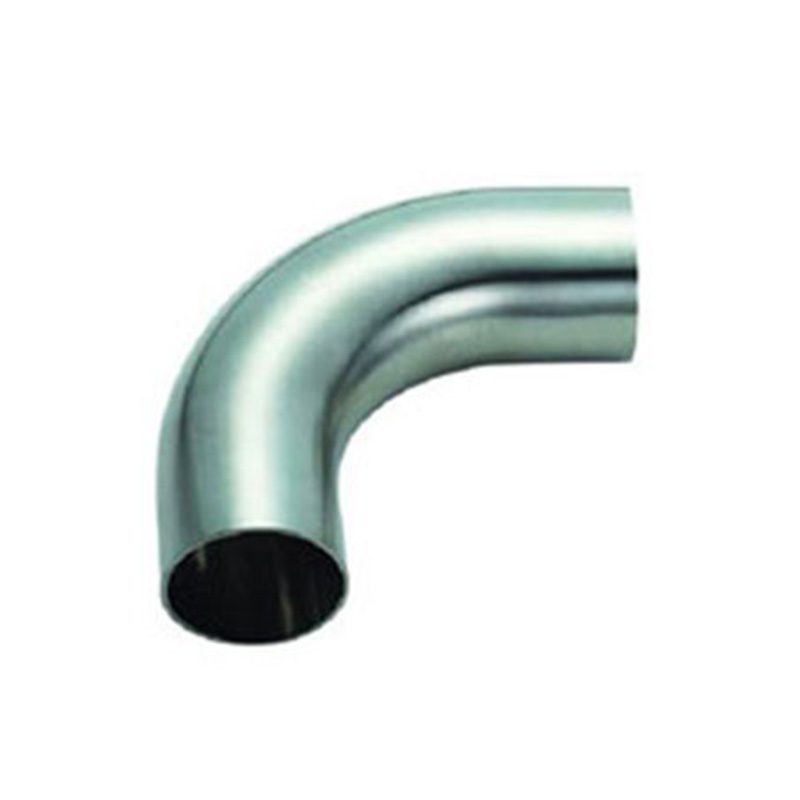
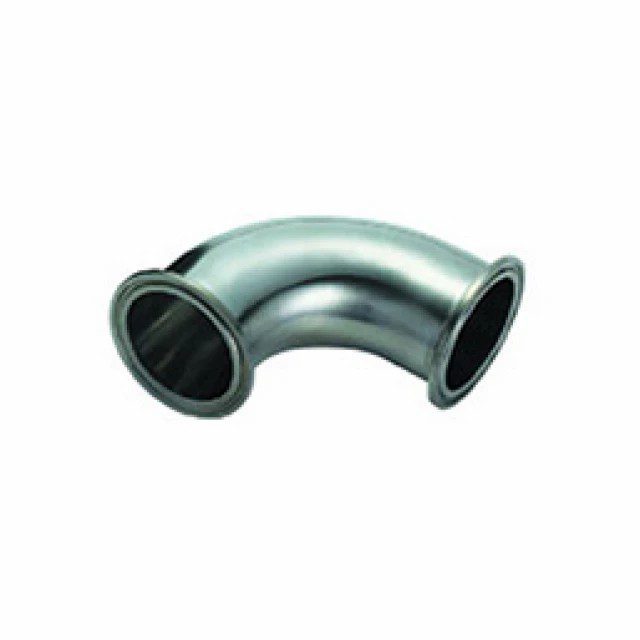
Choosing the right 90 degree stainless steel elbow is important for building a safe, efficient, and reliable piping system. A 90 degree elbow changes the direction of a pipeline by approximately 90 degrees and is widely used in industrial piping, chemical processing, food and beverage, pharmaceutical, water treatment, oil and gas, and other applications.
Although a 90 degree elbow may appear to be a simple pipe fitting, different elbows can vary in material grade, size, wall thickness, radius, connection type, pressure rating, surface finish, and manufacturing method. Selecting the wrong specification can lead to installation difficulties, excessive pressure drop, corrosion problems, leakage, or reduced service life.
For engineers, contractors, distributors, and procurement teams, the selection process should therefore consider both the technical requirements of the piping system and the operating environment.

The first factor to consider is the material grade. The most commonly used stainless steel grades for 90 degree elbows include 304, 316, and 316L stainless steel.
304 stainless steel offers good corrosion resistance, mechanical strength, and general-purpose performance. It is commonly used in water, food processing, general industrial piping, and many indoor applications.
316 stainless steel contains molybdenum, which generally provides better resistance to chloride-containing and more aggressive environments than 304 stainless steel. It may be suitable for chemical processing, marine environments, and applications where higher corrosion resistance is required.
316L stainless steel has a lower carbon content than standard 316 and is commonly selected for applications involving welding and hygienic or corrosion-sensitive piping systems.
The correct grade should be selected according to the fluid, temperature, exposure conditions, cleaning process, and required service life rather than simply choosing the most common material.
The elbow size must match the piping system. Important dimensions can include nominal pipe size, outside diameter, wall thickness, end-to-end dimensions, and elbow radius.
A 90 degree stainless steel elbow should be compatible with the pipe dimensions and the other fittings used in the system. Even a small dimensional mismatch can make installation more difficult or create alignment problems.
For butt-welded elbows, the outside diameter and wall thickness should correspond to the connected pipe. For threaded or socket-weld elbows, the connection dimensions must also match the relevant pipe or fitting.
Before placing an order, buyers should confirm the required nominal size and applicable dimensional standard with the manufacturer.
Elbow radius is another important selection factor. The two common configurations are long radius (LR) and short radius (SR) elbows.
A long-radius elbow has a larger centerline radius, allowing the fluid to change direction more gradually. This design can help reduce turbulence and pressure loss and is often used where flow performance is important.
A short-radius elbow has a smaller centerline radius and requires less installation space. It can be useful in compact piping layouts where space is limited.
The choice between long-radius and short-radius designs depends on the available installation space, flow requirements, pressure-drop considerations, and system design.
The connection method should match the piping system and installation requirements. Common options include butt weld, threaded, and socket weld connections.
Butt-weld elbows are widely used in industrial piping because the pipe and fitting can be joined through welding to create a continuous connection. They are common in process piping and applications requiring strong and reliable joints.
Threaded elbows can be installed without welding and may be suitable for certain lower-pressure or maintenance-friendly systems, depending on the application and applicable standards.
Socket-weld elbows allow the pipe to be inserted into a socket before welding. They are commonly used for smaller-diameter piping systems.
When selecting the connection type, consider pipe size, pressure, temperature, maintenance requirements, installation method, and applicable piping standards.
A stainless steel elbow must be capable of operating safely under the pressure and temperature conditions of the piping system.
The required pressure rating depends on factors such as material grade, wall thickness, fitting design, manufacturing method, and applicable standard. Temperature can also affect the mechanical and corrosion performance of stainless steel and should therefore be considered during selection.
Buyers should provide the manufacturer with the operating pressure, maximum and minimum operating temperatures, and fluid characteristics. This information helps ensure that the selected elbow is appropriate for the actual service conditions.
Do not select a fitting based only on nominal pipe size. The pressure and temperature requirements are equally important.
The fluid being transported can significantly influence the required elbow material and surface condition.
For water and general industrial fluids, 304 stainless steel may be suitable for many applications. More corrosive fluids or chloride-rich environments may require 316 or 316L stainless steel.
Food, beverage, pharmaceutical, and biotechnology systems may also have additional requirements for cleanliness, surface finish, weld quality, and hygienic design. In these applications, the internal surface should be easy to clean and resistant to contamination or product buildup.
For chemical, petrochemical, and oil and gas applications, buyers should consider the chemical composition of the medium, corrosion risks, operating temperature, pressure, and applicable industry standards before selecting the fitting.
Wall thickness affects the mechanical strength and pressure-handling capability of a 90 degree stainless steel elbow.
A thinner wall may be appropriate for certain low-pressure applications, while heavier wall construction may be required for higher-pressure or more demanding service conditions. The required thickness should correspond to the piping design, pipe schedule, pressure requirements, and applicable standards.
It is also important to ensure that the elbow and connected pipe have compatible wall thicknesses and dimensions. This can simplify installation and help achieve reliable welded joints.
Surface finish can be especially important in sanitary and hygienic applications.
A smooth internal surface can help reduce areas where product residue, particles, or microorganisms could accumulate. Stainless steel elbows used in food processing, pharmaceutical, biotechnology, and cosmetics applications may therefore require specific polishing or surface-finish requirements.
For general industrial applications, the required surface treatment may be less demanding. However, the elbow should still be properly finished, cleaned, and protected to maintain its corrosion resistance and appearance.
When purchasing sanitary stainless steel elbows, buyers should clearly specify the required surface finish and cleaning requirements.
A reliable 90 degree stainless steel elbow should comply with the dimensional, material, and manufacturing standards required for the application.
Depending on the project, buyers may need to consider standards covering dimensions, pressure ratings, materials, welding, testing, and surface requirements. Common specifications may include ASME, ASTM, EN, DIN, or other applicable standards.
The exact standard should be determined by the piping system and destination market. Importers and engineering companies should communicate these requirements to the manufacturer before production to avoid dimensional or documentation problems.
Manufacturing quality has a direct effect on the performance and service life of a stainless steel elbow.
A typical manufacturing process may include stainless steel material preparation, cutting, forming, heat treatment when required, sizing, end preparation, surface treatment, cleaning, and inspection.
Important quality-control checks can include dimensional inspection, material verification, visual inspection, wall-thickness measurement, surface inspection, and other tests required by the project.
For critical applications, buyers may also require material certificates, inspection reports, traceability records, or other quality documentation.
The manufacturer is an important part of the purchasing decision. A supplier should be able to provide consistent product quality, accurate dimensions, suitable material grades, reliable production capacity, and the required technical documentation.
When evaluating a manufacturer, buyers can review its experience with stainless steel pipe fittings, production equipment, quality-control procedures, material traceability, testing capabilities, certifications, and export experience.
It is also useful to confirm whether the manufacturer can provide customized dimensions, special surface finishes, different connection types, or non-standard specifications when required.
A supplier that understands the technical requirements of the entire piping system can provide more useful support than a supplier that only offers standard fittings.
Price is important, but the lowest unit price does not necessarily provide the best value for a piping project.
Material grade, wall thickness, manufacturing process, surface finish, inspection requirements, packaging, certifications, and delivery can all affect the total purchasing cost.
A lower-quality elbow may create additional costs through installation problems, leakage, premature replacement, or maintenance. For this reason, buyers should evaluate product quality and long-term service requirements together with the initial purchase price.
Choosing the right 90 degree stainless steel elbow requires more than selecting a fitting with the correct angle. Buyers should consider stainless steel grade, pipe size, wall thickness, elbow radius, connection type, pressure, temperature, fluid characteristics, surface finish, applicable standards, and manufacturing quality.
For general industrial applications, 304 stainless steel may provide a practical combination of corrosion resistance and mechanical performance, while 316 or 316L may be more suitable for environments requiring greater corrosion resistance or specific hygienic requirements.
By clearly defining the piping system requirements and working with a qualified stainless steel pipe fitting manufacturer, engineers, contractors, distributors, and procurement teams can select elbows that provide reliable installation and long-term performance.
What is a 90 degree stainless steel elbow used for?
A 90 degree stainless steel elbow is used to change the direction of a piping system by approximately 90 degrees. It is commonly used in industrial, sanitary, chemical, water treatment, food processing, and other piping applications.
What is the difference between a long-radius and short-radius elbow?
A long-radius elbow has a larger centerline radius and generally provides a smoother change in flow direction. A short-radius elbow has a smaller radius and requires less installation space.
Is 304 or 316 stainless steel better for a 90 degree elbow?
Neither grade is universally better. 304 is commonly used for general applications, while 316 offers higher resistance to certain corrosive environments, particularly those involving chlorides. The appropriate grade depends on the operating conditions.
How do I choose the correct elbow size?
The elbow should match the pipe’s nominal size, outside diameter, wall thickness, and connection requirements. The applicable dimensional standard should also be confirmed.
What connection types are available for stainless steel elbows?
Common connection types include butt weld, threaded, and socket weld. The appropriate connection depends on pipe size, system pressure, installation method, and application requirements.
Why is elbow radius important?
Elbow radius affects flow behavior, pressure loss, turbulence, and installation space. Long-radius elbows are often preferred where smoother flow is important, while short-radius elbows can be useful in compact layouts.
Can stainless steel elbows be used in high-pressure piping?
Yes, stainless steel elbows can be used in high-pressure systems when they are properly designed and manufactured for the required pressure, temperature, material, wall thickness, and applicable standards.
What surface finish should a stainless steel elbow have?
The required surface finish depends on the application. General industrial systems may require standard finishing, while food, pharmaceutical, and other sanitary applications may require smoother and more controlled internal surfaces.
What should I ask a stainless steel elbow manufacturer?
Buyers should confirm material grade, dimensions, wall thickness, radius, connection type, standards, pressure and temperature ratings, surface finish, inspection procedures, certifications, traceability, and delivery requirements.
Can a 90 degree stainless steel elbow be customized?
Yes. Depending on the manufacturer’s capabilities, elbows can be customized in dimensions, material grades, connection types, wall thicknesses, surface finishes, and other specifications to meet specific piping requirements.



STAINLESS STEEL&GENCEL;
Privacy Policy | SiteMap
Copyright GENCEL STAINLESS STEEL CO.,LIMITED
 Optimized by Seraphinite Accelerator