- Whatsapp: 8613738300923
- Email: [email protected]


This article, written for engineering contractors with small to medium batch procurement needs, explains what pipe fittings are, their importance, common types and functions, and the advantages of bulk procurement.
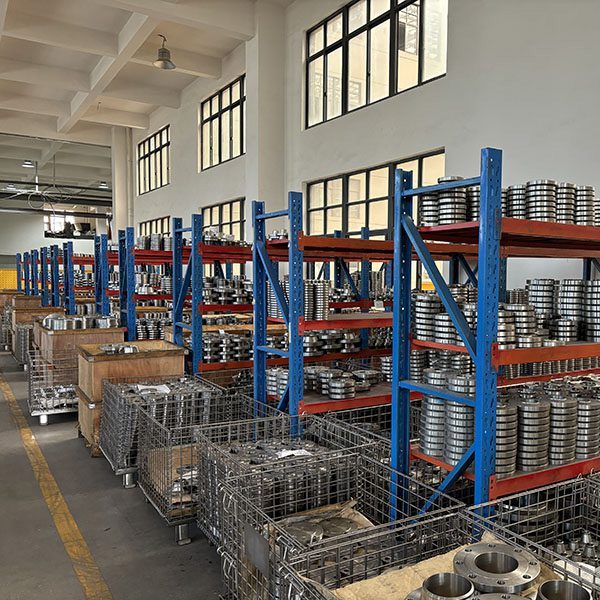
In large and medium-sized cities, pipe fittings can be found in hardware and electrical appliance markets or building materials wholesale markets. Pipe fittings are components used in piping systems to connect, branch, reduce, or seal pipes.
They are core elements of any fluid transport system (such as general-purpose fluids {water, air, neutral gases}, corrosive fluids, high-purity/sanitary fluids, high-temperature/high-pressure fluids, etc.), ensuring the efficient and safe operation of the pipeline network.
For engineering project contractors, selecting the appropriate pipeline connections directly impacts the integrity, safety, and long-term operating costs of the system.
High-quality fittings can reduce leakage risks, lower maintenance requirements, and extend system lifespan, which is crucial for controlling total project costs and maintaining customer satisfaction.
Connection and extension accessories
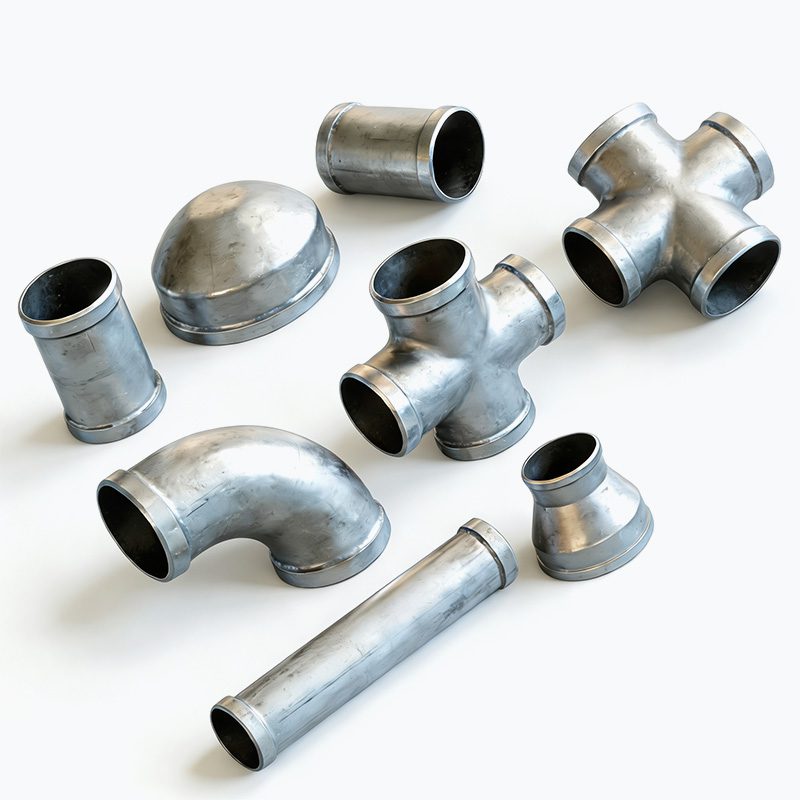
This type of accessory includes couplings, unions, and nipples, which are used to connect or extend two sections of pipeline in a straight line. For systems that require frequent maintenance, detachable couplings are particularly important.
Directional change accessories
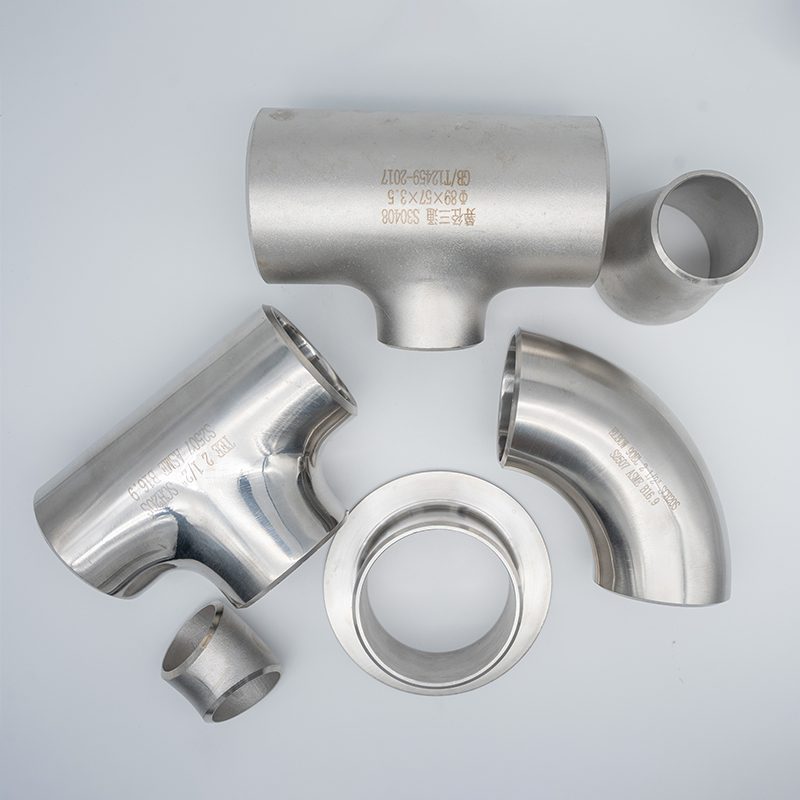
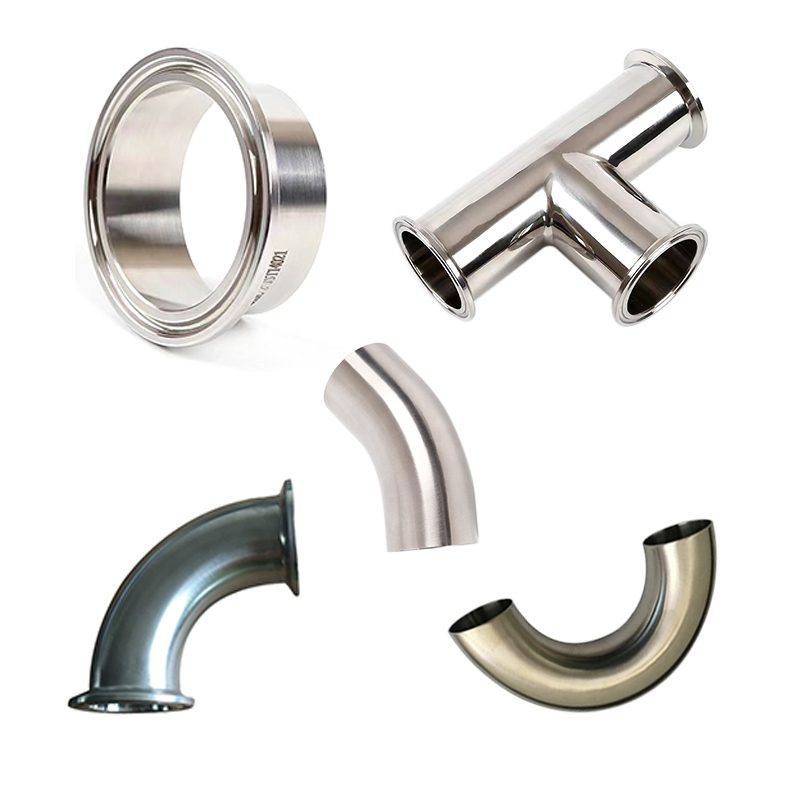
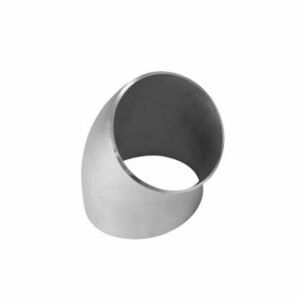
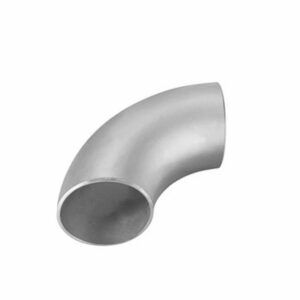
Elbows (45 °, 90 °,180 °, or custom angles) allow pipes to change direction, while tee fittings are used to create branches. These accessories play a crucial role in space-constrained engineering projects.
Size adjustment accessories
Reducers and Expanders enable contractors to connect pipes of different diameters, providing flexibility for system design.
Flow control and diversion accessories
Valves, caps, and crosses belong to this category and are used to control, stop, or divert fluids. They are critical control points in complex pipeline systems.
From high-rise buildings to industrial plants, pipeline connections ensure the reliable operation of water supply, fire protection, and wastewater systems.
Contractors need to select suitable materials (such as copper, PVC, stainless steel) based on water pressure, water quality, and local regulations.
Industrial piping systems in chemical plants, pharmaceutical factories, and manufacturing facilities require specialized fittings to withstand high temperatures, pressures, or corrosive media. Such projects often require compliance with strict standards such as ASME and ASTM.
This type of project requires extremely high strength and sealing of the connectors, usually involving bulk procurement of a large number of welding or threaded fittings.
Material consideration: Match application requirements
Stainless steel: corrosion-resistant, used in food, pharmaceutical, or chemical industries
Copper: Good thermal conductivity, commonly used in HVAC systems
PVC/CPVC: Low cost, resistant to chemical corrosion, suitable for drainage and low-pressure systems
Threaded connection: easy to install, easy to maintain, suitable for small and medium-sized pipelines
Welding connection: provides permanent sealing, suitable for high-pressure and high-temperature systems
Flange connection: easy to disassemble, suitable for systems that require regular maintenance
Compression connection: fast installation, reducing labor costs
The hygienic pipe fitting factory tells you, ensuring that the connectors comply with industry standards and local regulations required for the project is a key step in avoiding project delays and legal risks.
For contractors, bulk purchasing (10 or more) connectors of the same specification not only provides a price advantage but also ensures system consistency, reduces installation time, and simplifies inventory management.
Investing in high-quality, application-oriented pipeline connectors actually protects your project profits and professional reputation.
Immediate action: Get your customized pipeline connector solution

STAINLESS STEEL&GENCEL;
Privacy Policy | SiteMap
Copyright GENCEL STAINLESS STEEL CO.,LIMITED
 Optimized by Seraphinite Accelerator